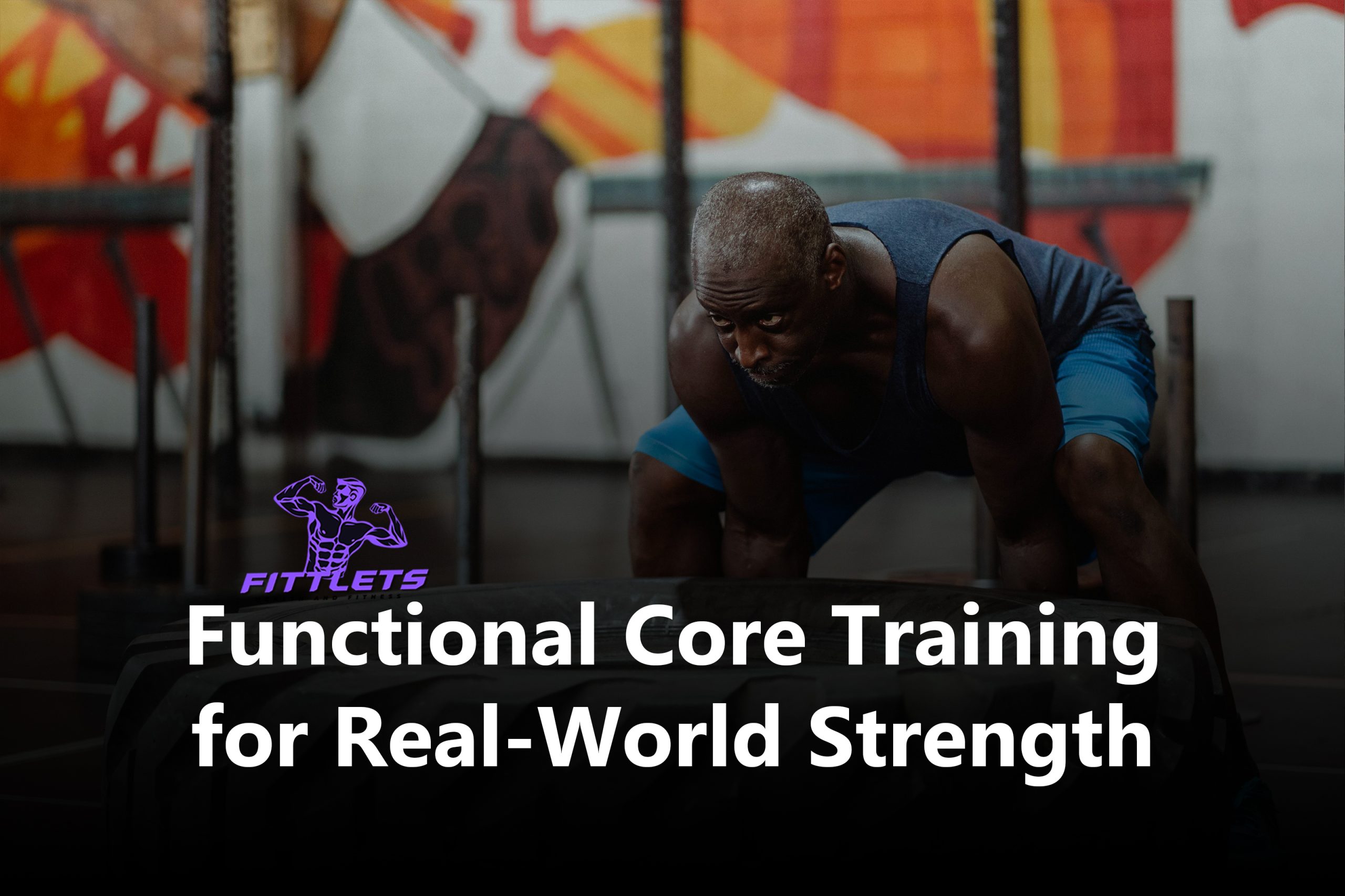
Functional Core Training for Real-World Strength
When most people hear the word “core,” they immediately think of six-pack abs. But your core is about much more than appearance. It’s the foundation of nearly every movement you make, from lifting groceries to getting out of a chair or reaching overhead. Functional core training focuses on building strength that actually transfers to daily life, sports, and long-term health.
Instead of endless crunches or sit-ups, functional core exercises train your body to stabilize, rotate, and resist movement in ways that mimic real-world activities. This type of training helps you move more efficiently, reduces the risk of injury, and improves overall strength.
For many Americans who spend long hours sitting or performing repetitive movements, building a strong and functional core can be the missing link to feeling stronger and more capable every day.
What Is the Core, Really?
The core includes much more than the abdominal muscles you see in the mirror. It is a group of muscles that surround and support your spine and pelvis. This includes the deep abdominal muscles, obliques, lower back muscles, diaphragm, and pelvic floor.
Together, these muscles create a stable center that allows your arms and legs to move effectively. When the core is strong and well-coordinated, your body can generate more power and maintain better balance.
Functional core training targets all these muscles, not just the surface-level abs.
Why Traditional Ab Work Isn’t Enough
Crunches and sit-ups mainly train the muscles that bend the spine forward. While these muscles are part of the core, they don’t represent how the core works in real life.
In everyday activities, your core’s main job is to stabilize your spine and transfer force between the upper and lower body. Functional training focuses on resisting unwanted movement and controlling rotation rather than simply flexing the spine.
This approach leads to strength that protects your back and improves performance in daily tasks.
Core Stability Supports Everyday Movement
Every time you lift something, carry a bag, twist to grab an object, or climb stairs, your core is working. A strong, stable core allows these movements to happen smoothly and safely.
When core muscles are weak or poorly coordinated, other parts of the body often compensate. This can lead to strain in the lower back, hips, or shoulders.
Functional core training improves coordination and strength, making everyday movements feel easier and more natural.
Reducing the Risk of Back Pain
Lower back pain is one of the most common complaints among adults. A weak or poorly functioning core can contribute to this discomfort.
By strengthening the muscles that support the spine, functional core training helps improve posture and reduce stress on the lower back. When your core provides proper support, your spine can maintain healthier alignment during movement.
Over time, this can reduce the likelihood of back pain and improve overall comfort.
Better Balance and Stability
Your core plays a major role in balance. Whether you’re walking on uneven ground or reaching for something overhead, your core helps you stay stable.
Functional exercises challenge your balance and coordination, teaching your body to stabilize in different positions. This is especially important as you age, since better balance reduces the risk of falls.
Improving Athletic Performance
Athletes rely heavily on core strength for performance. Running, jumping, throwing, and lifting all require force to transfer through the core.
A strong, functional core allows for more efficient movement and greater power output. It also helps prevent injuries by improving movement mechanics.
Even if you’re not a competitive athlete, these benefits carry over into recreational activities and workouts.
Core Strength and Posture
Poor posture often stems from weak core and back muscles. Sitting for long periods can lead to slouched shoulders and a rounded spine.
Functional core training helps strengthen the muscles that support an upright posture. This reduces strain on the neck and back and can improve how you feel throughout the day.
Standing and sitting with better posture also makes breathing more efficient and movement more comfortable.
Training the Core Through Movement
The core is designed to work during movement, not in isolation. Functional training incorporates exercises where the core stabilizes while the arms and legs move.
This teaches your body to coordinate multiple muscle groups at once, which reflects how movement happens in real life.
Building Strength That Transfers
The goal of functional core training is transferability. Strength gained during workouts should help you perform better outside the gym.
Whether you’re carrying luggage, gardening, playing sports, or lifting a child, a functional core helps you move with confidence and control.
Supporting Joint Health
A strong core helps align the body properly during movement. This reduces unnecessary stress on joints, especially in the hips and knees.
Better alignment and control can help prevent overuse injuries and improve overall movement quality.
Mental Benefits of Core Training
Like other forms of exercise, core training can reduce stress and improve focus. Because many functional core exercises require concentration and coordination, they also enhance body awareness.
This mind-body connection supports better movement and injury prevention.
Long-Term Benefits
Functional core training supports healthy aging by maintaining balance, stability, and strength. These qualities help preserve independence and confidence in daily life.
A strong core helps you stay active and capable as the years go by.
Final Thoughts
Functional core training goes far beyond building visible abs. It strengthens the muscles that support your spine, improve balance, and help you move efficiently in everyday life.
By focusing on stability, coordination, and real-world movement patterns, functional core exercises reduce injury risk, improve posture, and enhance overall performance. Whether you’re lifting weights, playing sports, or simply going about daily tasks, a strong core provides the foundation for safe and effective movement.
Training your core for function rather than just appearance is one of the smartest investments you can make in your long-term strength and health.