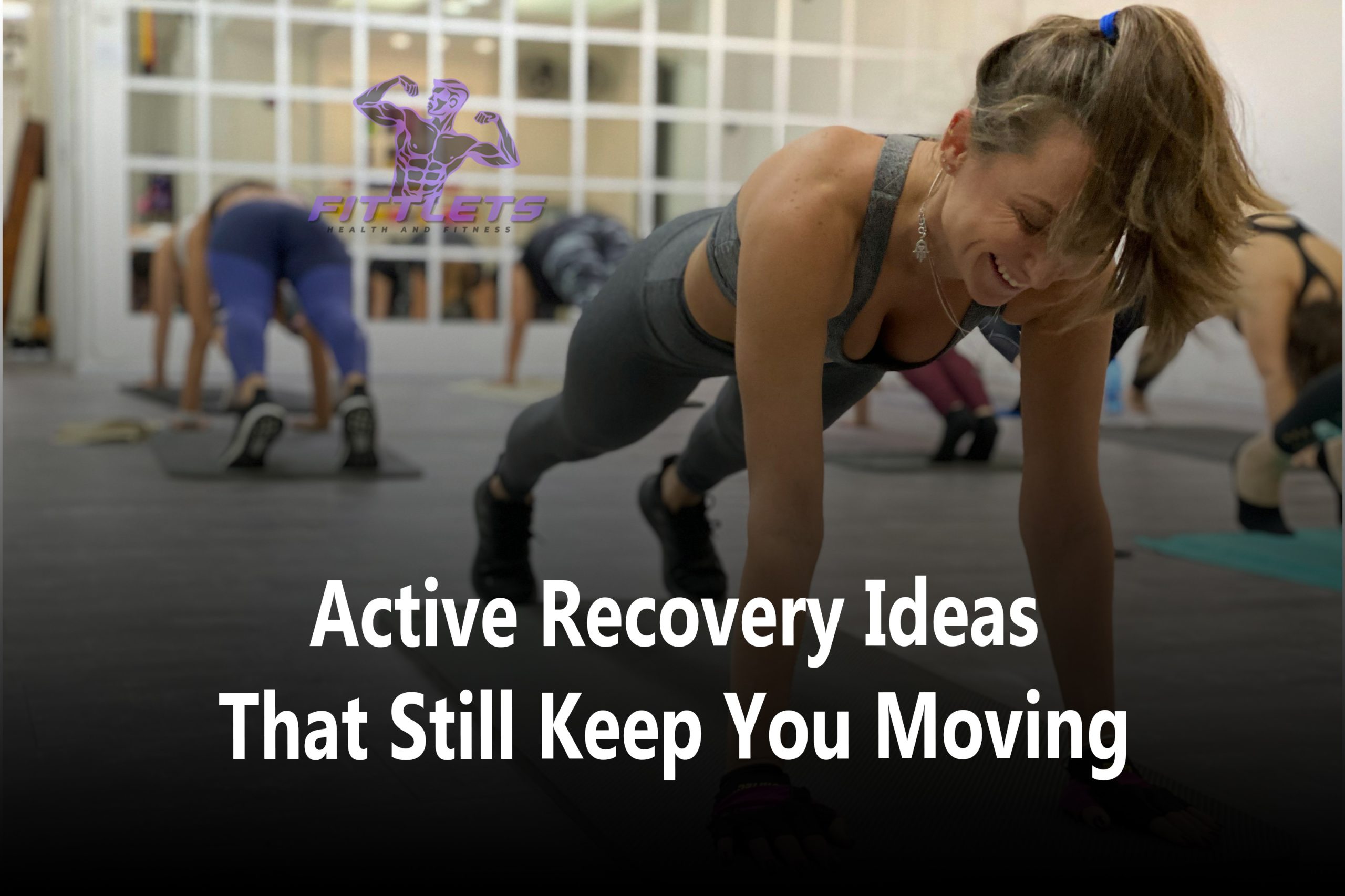
Active Recovery Ideas That Still Keep You Moving
Recovery is often misunderstood as doing nothing at all. While complete rest has its place, active recovery offers a smarter way to help your body heal while still staying physically engaged. Instead of stopping movement entirely, active recovery focuses on gentle, low-intensity activity that promotes circulation, reduces stiffness, and supports overall fitness progress.
Active recovery allows you to stay consistent with movement without overloading your muscles or nervous system. It keeps your body feeling loose, energized, and ready for your next workout.
What Is Active Recovery?
Active recovery involves light physical activity performed on rest days or after intense workouts. The goal is not to improve performance or push limits, but to support recovery by increasing blood flow and reducing muscle soreness.
Unlike intense training, active recovery should feel easy and refreshing. You should finish feeling better than when you started, not exhausted.
Why Active Recovery Matters
Hard workouts place stress on muscles, joints, and the nervous system. Without proper recovery, this stress can accumulate and lead to fatigue, soreness, or injury.
Active recovery helps flush out metabolic waste, deliver nutrients to muscles, and maintain mobility. It also supports mental recovery by reducing stress and keeping movement enjoyable.
Staying lightly active can actually speed up recovery compared to complete inactivity.
Walking for Recovery and Relaxation
Walking is one of the simplest and most effective forms of active recovery. It gently increases circulation without stressing the body.
A relaxed walk outdoors can reduce muscle stiffness, improve mood, and support cardiovascular health. Walking is especially effective the day after intense strength training or cardio sessions.
Because it’s low impact and accessible, walking fits easily into almost any recovery plan.
Mobility and Stretch-Based Movement
Mobility-focused movement keeps joints healthy and muscles flexible while encouraging gentle activity. Slow, controlled movements help restore range of motion without causing strain.
Light stretching combined with breathing helps reduce tension built up from training or sitting for long periods. This type of movement is ideal when your body feels tight but not overly fatigued.
Yoga for Active Recovery
Yoga is a powerful active recovery tool when practiced gently. Slow flows and restorative poses help lengthen muscles, improve circulation, and calm the nervous system.
Yoga also supports mental recovery by reducing stress and improving body awareness. It’s especially helpful during periods of heavy training or high life stress.
The key is choosing low-intensity sessions focused on relaxation rather than strength or power.
Swimming and Water-Based Movement
Water-based movement offers excellent active recovery benefits. The buoyancy of water reduces joint stress while allowing full-body movement.
Swimming or water walking promotes circulation and muscle relaxation without impact. This makes it ideal for sore muscles or individuals recovering from intense workouts.
Water movement also provides a refreshing mental break from traditional training.
Light Cycling for Recovery Days
Easy cycling at a comfortable pace helps loosen tight muscles, especially in the legs. It increases blood flow without placing excessive stress on joints.
This type of movement works well after heavy leg workouts or long runs. The effort should feel relaxed and conversational, not challenging.
Foam Rolling and Gentle Body Care
Foam rolling is often paired with active recovery to improve circulation and reduce muscle tightness. When done gently, it supports relaxation rather than deep tissue stress.
Combining foam rolling with light movement enhances recovery and prepares the body for future workouts.
Active Recovery for Mental Health
Active recovery doesn’t just help the body—it supports mental well-being as well. Light movement reduces stress hormones and improves mood.
Recovery days that include gentle activity can prevent burnout and keep fitness enjoyable. This makes long-term consistency much easier to maintain.
How Often Should You Use Active Recovery?
Active recovery can be used on rest days, between intense workouts, or during deload weeks. It’s especially helpful when training frequency is high.
Listening to your body is essential. If movement feels restorative, it’s likely appropriate. If it increases fatigue, more rest may be needed.
Making Recovery Part of Your Fitness Routine
Recovery is not a sign of weakness—it’s a key component of progress. Incorporating active recovery helps your body adapt, rebuild, and perform better over time.
By staying lightly active, you maintain momentum while protecting your long-term health and performance.
Final Thoughts
Active recovery keeps you moving without slowing your progress. Through gentle activities like walking, mobility work, yoga, or light cardio, you support muscle recovery, reduce soreness, and stay mentally refreshed.
Fitness success isn’t just about how hard you train—it’s about how well you recover. When recovery is intentional and active, your body stays strong, resilient, and ready for the next challenge.