Top Yoga Poses for Stress Relief and Mental Clarity
Modern life in the United States moves fast. Work deadlines, family responsibilities, digital overload, and constant notifications can leave the mind feeling cluttered and the body tense. It’s no surprise that more people are turning to yoga not just for flexibility, but for stress relief and mental clarity.
Yoga is more than stretching. It’s a mind-body practice that combines movement, breathing, and mindfulness to calm the nervous system and help you feel more grounded. Certain poses are especially powerful for reducing tension, quieting mental chatter, and restoring a sense of balance.
If you’re looking for natural ways to manage stress and improve focus, these yoga poses can help you reset both physically and mentally.
Why Yoga Helps Reduce Stress
Stress triggers the body’s fight-or-flight response, releasing hormones that increase heart rate and muscle tension. While this response is useful in emergencies, constant activation can leave you feeling drained and overwhelmed.
Yoga encourages the opposite reaction — the relaxation response. Slow breathing and gentle movements signal the nervous system to shift into a calmer state. Muscles relax, heart rate slows, and mental clarity improves.
Regular practice also teaches awareness. Instead of reacting automatically to stress, you learn to pause, breathe, and respond more calmly.
Child’s Pose for Instant Calm
Child’s Pose is one of the most soothing positions in yoga. Kneeling with your hips resting back toward your heels and your forehead touching the floor creates a sense of safety and surrender.
This gentle forward fold relaxes the back, shoulders, and neck — areas where many people hold stress. The position naturally encourages slow, deep breathing, which further calms the nervous system.
Spending a few minutes in Child’s Pose can feel like pressing a reset button for both the body and mind.
Cat-Cow Stretch to Release Tension
The Cat-Cow sequence involves moving between rounding and arching the spine while coordinating breath with movement. This flowing motion increases circulation along the spine and releases stiffness in the back and neck.
The rhythm of breath and movement helps shift attention away from racing thoughts and into the present moment. It’s especially helpful for people who sit at desks for long hours and carry tension in the upper body.
Just a minute or two of Cat-Cow can create a noticeable sense of ease.
Standing Forward Fold to Quiet the Mind
Standing Forward Fold gently stretches the hamstrings and spine while allowing the head and neck to relax. The inverted position increases blood flow toward the brain, which many people find calming.
This pose encourages introspection and slows mental activity. Letting your arms hang heavy and softening your knees reduces tension and signals the body to relax.
It’s a simple but powerful posture for mental clarity.
Legs Up the Wall for Deep Relaxation
Legs Up the Wall is a restorative pose known for its profound calming effects. Lying on your back with your legs extended vertically against a wall helps improve circulation and reduce swelling in the legs.
This gentle inversion allows the body to relax deeply without effort. It slows the heart rate and encourages steady breathing, making it ideal for winding down after a long day.
Many people find this pose helpful before bedtime to improve sleep and quiet the mind.
Seated Forward Fold for Stress Release
Seated Forward Fold stretches the back body while promoting a sense of turning inward. As you fold forward, your nervous system shifts into a more relaxed state.
This pose gently massages the abdominal area, which can help release stored tension. Staying here for several breaths encourages mindfulness and mental stillness.
It’s a great posture for slowing down after a busy day.
Supine Twist to Let Go of Tension
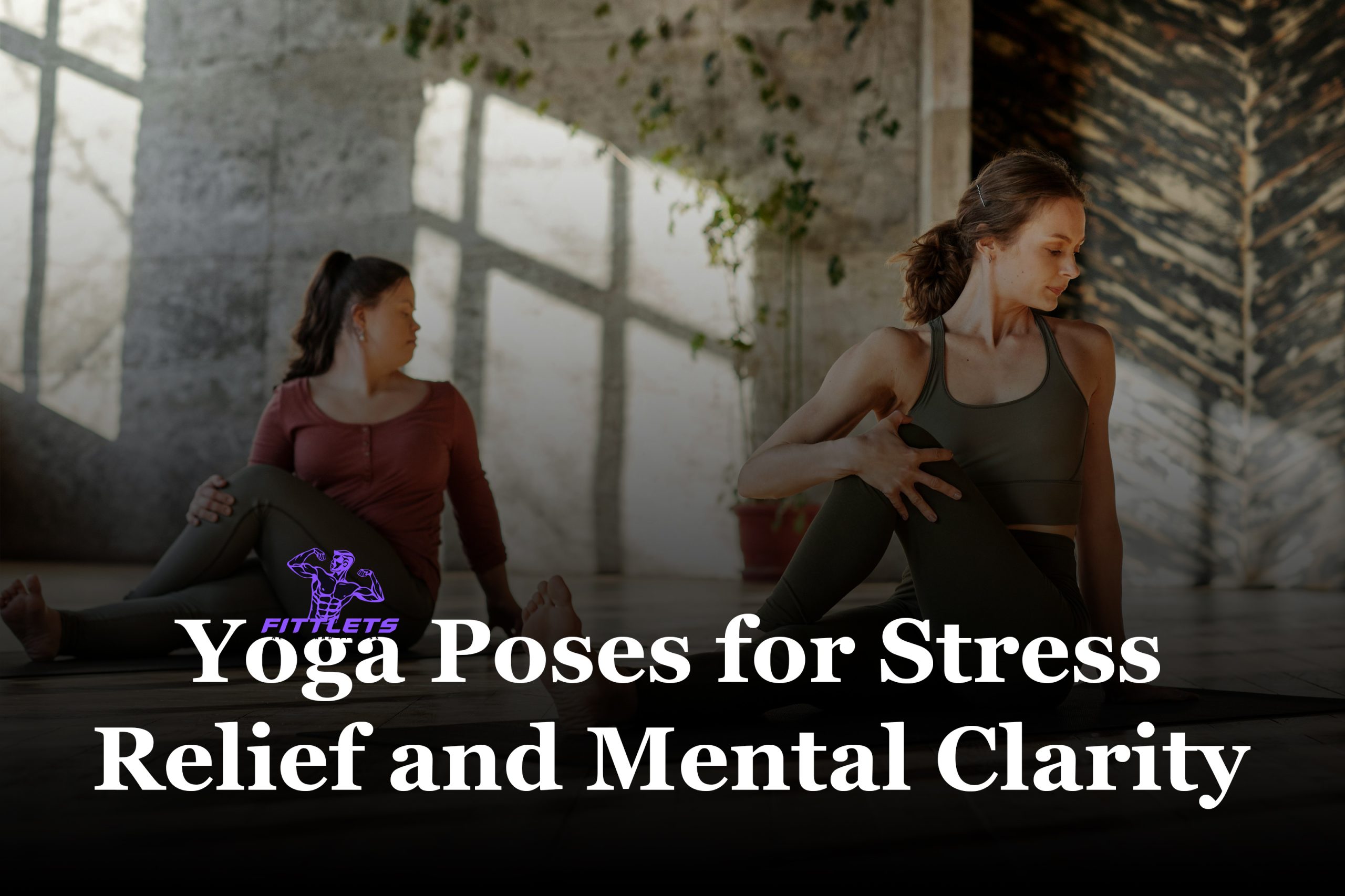
Twisting poses are excellent for releasing physical and emotional tension. In a Supine Twist, you lie on your back and gently rotate your knees to one side while keeping your shoulders grounded.
This posture massages the spine and organs while promoting relaxation. The twisting action can feel like wringing out stress from the body.
Paired with slow breathing, it creates a sense of release and balance.
Bridge Pose to Open the Chest
Stress often causes the chest and shoulders to round forward, restricting breathing. Bridge Pose counteracts this by opening the front of the body and strengthening the back.
Lifting the hips while grounding through the feet creates gentle stimulation without strain. The chest expansion allows deeper breaths, which supports emotional release and improved mood.
Bridge Pose is energizing yet calming, making it ideal for restoring mental clarity.
Easy Seated Pose for Mindfulness
Sometimes the most powerful yoga posture is simply sitting still. Easy Seated Pose allows you to focus on breathing and observe your thoughts without judgment.
Sitting upright with a tall spine improves alertness while deep breathing calms the mind. Even a few minutes of mindful sitting can reduce anxiety and improve concentration.
This pose reminds us that stillness can be just as healing as movement.
Corpse Pose for Total Reset
Corpse Pose, often practiced at the end of a session, is one of the most important poses for stress relief. Lying flat on your back with arms relaxed at your sides allows complete physical and mental rest.
Though it looks simple, this pose teaches the body how to relax deeply. Guided breathing or body awareness during this time can release lingering tension and clear mental clutter.
Corpse Pose leaves you feeling refreshed and centered.
How to Create a Stress-Relief Yoga Routine
You don’t need an hour-long session to benefit from yoga. Even ten to fifteen minutes can reduce stress and improve clarity. Combining a few of these poses with slow breathing creates a powerful relaxation routine.
Start with gentle movements like Cat-Cow, move into forward folds or twists, and finish with restorative poses like Legs Up the Wall or Corpse Pose.
The key is consistency. Practicing regularly trains your body and mind to shift into a calm state more easily.
The Mental Benefits of Regular Practice
Over time, yoga helps build emotional resilience. You become more aware of tension before it escalates and better equipped to manage stress in daily life.
Mental clarity improves because the practice encourages focus on breath and movement rather than constant mental chatter. Many people find they think more clearly and respond more calmly to challenges.
Final Thoughts
Yoga offers a gentle yet powerful way to relieve stress and enhance mental clarity. Through mindful movement and breathing, you can calm your nervous system, release tension, and create space for focus and peace.
Whether you’re new to yoga or returning to the mat, these poses provide simple tools for managing the demands of modern life. With regular practice, stress becomes more manageable, and clarity becomes easier to access.
Your mind and body are deeply connected. When one relaxes, the other follows. Yoga helps you nurture both.