
Why Fitness Experts Recommend Combining Cardio and Strength Workouts
Walk into any gym in the United States and you’ll see two main types of exercisers. Some head straight for the treadmill, bike, or stair climber and stay there for most of their workout. Others focus almost entirely on weights, moving from machine to machine or lifting free weights with intensity. While both approaches have benefits, fitness experts consistently agree on one thing: the best results come from combining cardio and strength training.
This balanced approach improves not only weight management but also heart health, muscle tone, metabolism, and overall well-being. Instead of choosing between lifting weights or doing cardio, blending the two creates a powerful synergy that supports long-term health and fitness.
Understanding why this combination works can help you design a smarter, more effective workout routine.
The Different Roles of Cardio and Strength Training
Cardiovascular exercise, often called cardio, includes activities that raise your heart rate and keep it elevated for a period of time. Walking, jogging, cycling, swimming, and group fitness classes like dance or spin all fall into this category. Cardio strengthens the heart and lungs, improves circulation, and burns calories during the workout.
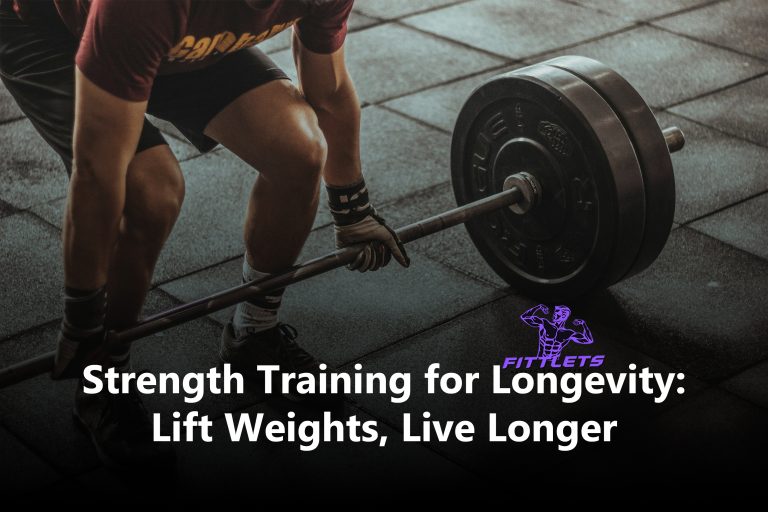
Strength training, on the other hand, focuses on building and maintaining muscle through resistance. This can include free weights, machines, resistance bands, or bodyweight exercises like push-ups and squats. Strength training helps shape the body, improve bone density, and increase resting metabolism.
Experts recommend combining these two because they target different systems in the body, creating a more complete fitness program.
Better Fat Loss Results
One of the main reasons fitness professionals encourage a mix of cardio and strength workouts is improved fat loss. Cardio burns a significant number of calories during exercise, which helps create the calorie deficit needed for weight loss. However, strength training plays an equally important role by preserving and building lean muscle.
Muscle tissue requires more energy than fat, even when you are resting. This means that as you gain or maintain muscle through strength training, your body burns more calories throughout the day. When cardio and strength training are combined, you not only burn calories during workouts but also boost your long-term metabolic rate.
This combination is far more effective for sustainable fat loss than relying on cardio alone.
Improved Heart Health Without Losing Muscle
Cardio is well known for supporting heart health. Regular aerobic exercise can lower blood pressure, improve cholesterol levels, and reduce the risk of heart disease. For many Americans, heart health is a top priority, especially with sedentary lifestyles becoming more common.
However, doing only cardio, especially while eating fewer calories, can sometimes lead to muscle loss. This may result in a lower metabolic rate and a softer appearance over time. Strength training helps counteract this by maintaining muscle mass while you improve cardiovascular fitness.
The result is a healthier heart and a stronger, more toned body.
Increased Metabolism and Energy Levels
Metabolism is often misunderstood, but in simple terms, it refers to how efficiently your body converts food into energy. Strength training increases muscle mass, which raises your resting metabolic rate. Cardio improves how efficiently your body uses oxygen and nutrients for energy.
When combined, these forms of exercise enhance both energy production and energy use. Many people notice that they feel more energetic throughout the day when they follow a balanced workout routine that includes both types of training.
Higher energy levels also make it easier to stay active outside the gym, which further supports overall calorie burn.
Better Body Composition
Weight alone does not tell the full story of health or fitness. Body composition, which refers to the ratio of muscle to fat, is a more meaningful indicator. Someone can lose weight through dieting and cardio alone but still have a higher body fat percentage if muscle is lost in the process.
Strength training helps build and maintain lean muscle, while cardio helps reduce excess body fat. Together, they improve body composition by lowering fat and increasing muscle tone. This leads to a firmer, more defined appearance and often better overall strength and function.
Enhanced Athletic Performance
Even if you don’t consider yourself an athlete, combining cardio and strength training improves physical performance in everyday life. Strength training builds power and stability, while cardio improves endurance.
This means you can walk longer distances, climb stairs more easily, carry groceries without strain, and participate in recreational activities with less fatigue. For those who enjoy sports or outdoor activities, this combination enhances speed, stamina, and resilience.
Reduced Risk of Injury
Many injuries occur due to muscle imbalances, weak stabilizing muscles, or poor endurance. Strength training helps correct imbalances and strengthens the muscles, tendons, and ligaments that support your joints. This provides better stability and control during movement.
Cardio improves circulation and helps maintain a healthy body weight, which reduces stress on joints such as the knees and hips. When both are included in a routine, the body becomes more resilient and better prepared to handle physical stress.
Mental Health Benefits From Both Worlds
Exercise is widely recognized for its positive impact on mental health. Cardio workouts often produce an immediate mood boost due to the release of endorphins, sometimes called “feel-good” hormones. Many people use walking, jogging, or cycling as a way to relieve stress and clear their minds.
Strength training, meanwhile, builds confidence as you become stronger and see physical improvements. Lifting weights can create a strong sense of accomplishment and empowerment. Combining both forms of exercise provides a powerful mental health boost, helping reduce anxiety, improve mood, and support better sleep.
Breaking Through Fitness Plateaus
Doing the same type of workout repeatedly can lead to plateaus, where progress slows or stops. The body adapts to repetitive exercise, making it less challenging over time.
Mixing cardio and strength training introduces variety and new challenges. Strength workouts push muscles to grow and adapt, while cardio challenges the cardiovascular system in different ways. This variety keeps the body responding and progressing, which helps prevent boredom and stagnation.
Flexibility in Workout Scheduling
Another advantage of combining cardio and strength training is flexibility. On busy days, you might do a shorter strength workout followed by a quick cardio session. On other days, you might focus more on endurance or lifting.
This adaptability makes it easier to maintain a consistent routine despite changing schedules. Consistency, more than intensity, is what leads to long-term success.
Supporting Healthy Aging
As people age, they naturally lose muscle mass and bone density. Strength training slows this process by stimulating muscle growth and supporting bone health. Cardio helps maintain heart and lung function, which are critical for overall vitality.
Together, these forms of exercise promote independence, balance, and mobility later in life. For Americans looking to stay active and healthy as they age, this combination is especially valuable.
How to Combine Cardio and Strength Effectively
Fitness experts often recommend including both types of training several times per week. Some people prefer to do strength and cardio on the same day, while others alternate days. Both methods can be effective as long as the overall workload allows for recovery.
The key is balance. Overdoing cardio without strength can lead to muscle loss, while only lifting weights without enough cardiovascular work can limit heart health benefits. Listening to your body and gradually increasing intensity helps create a sustainable routine.
The Importance of Recovery
Recovery is just as important as the workouts themselves. Combining cardio and strength training challenges multiple systems in the body, so rest days and quality sleep are essential.
Proper recovery allows muscles to repair and grow while preventing burnout and injury. When recovery is prioritized, the benefits of both cardio and strength training are amplified.
Long-Term Lifestyle Benefits
Perhaps the most important reason experts recommend combining cardio and strength workouts is that it promotes a well-rounded, sustainable lifestyle. This balanced approach supports weight management, physical function, mental health, and disease prevention.
Instead of focusing on a single goal like weight loss or muscle gain, this method improves overall quality of life. People who adopt a balanced fitness routine often find it easier to stay consistent because it keeps workouts interesting and rewarding.
Final Thoughts
Fitness experts recommend combining cardio and strength training because each type of exercise offers unique benefits that complement the other. Together, they support fat loss, muscle tone, heart health, energy levels, and mental well-being.
Rather than choosing one over the other, blending both into your weekly routine creates a more effective and sustainable path to better health. This balanced strategy helps you look better, feel stronger, and stay active for years to come.
When your workouts support both your muscles and your heart, you’re not just exercising — you’re building a foundation for lifelong wellness.