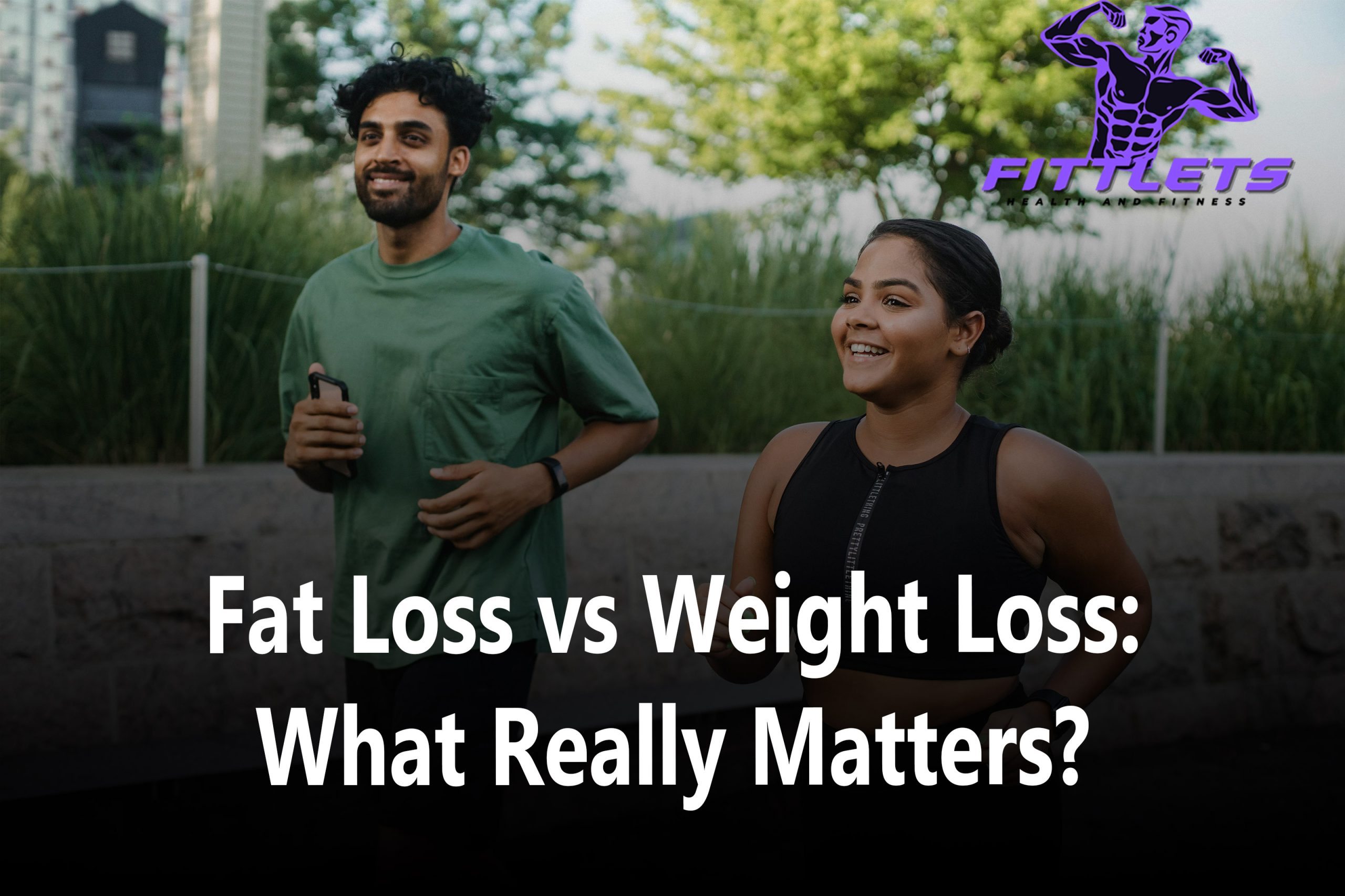
Fat Loss vs Weight Loss: What Really Matters?
When most people start a fitness journey, the first thing they focus on is the number on the scale. If it goes down, they feel successful. If it goes up, frustration sets in. While weight loss can be part of a healthy lifestyle, it doesn’t always tell the full story.
Fat loss and weight loss are not the same thing, and confusing the two often leads to disappointment, plateaus, and results that don’t last. Understanding the difference can completely change how you approach fitness, nutrition, and long-term health.
If your goal is to look better, feel stronger, and improve your overall wellness, fat loss—not just weight loss—is what truly matters.
Understanding Weight Loss
Weight loss simply means a reduction in total body weight. This includes everything your body is made of: fat, muscle, water, glycogen, and even the contents of your digestive system.
When people lose weight quickly, much of that initial drop often comes from water and glycogen depletion rather than fat. This is especially common with low-carb diets or aggressive calorie restriction.
While the scale shows progress, your body composition may not be improving in the way you expect.
What Fat Loss Really Means
Fat loss refers specifically to reducing stored body fat while maintaining as much lean mass as possible. Lean mass includes muscle, bones, organs, and connective tissue.
When fat loss occurs without significant muscle loss, your body becomes leaner, stronger, and more metabolically efficient. Clothes fit better, muscle definition improves, and physical performance is often maintained or enhanced.
Fat loss is about changing what your body is made of, not just how much it weighs.
Why the Scale Can Be Misleading
The scale does not distinguish between fat and muscle. You can lose muscle and fat at the same time and still see the scale go down. You can also lose fat and gain muscle while the scale barely changes at all.
This is why many people feel confused when they “lose weight” but don’t look or feel better. In some cases, they may look smaller but softer, weaker, or less athletic.
Relying solely on the scale can lead to poor decisions, such as cutting calories too aggressively or avoiding strength training.
Muscle Loss: The Hidden Problem of Weight Loss
One of the biggest issues with traditional weight loss approaches is muscle loss. Extreme calorie deficits, excessive cardio, and lack of resistance training signal the body that muscle tissue is no longer needed.
When muscle is lost, metabolism slows down. This means your body burns fewer calories at rest, making further fat loss harder and increasing the risk of weight regain.
This cycle often leads to frustration and repeated dieting without lasting results.
Fat Loss Improves Body Composition
Body composition refers to the ratio of fat mass to lean mass in your body. Improving body composition means reducing body fat while preserving or increasing muscle.
This leads to a leaner appearance, better posture, improved strength, and higher energy levels. Even if your scale weight stays the same, a better body composition can dramatically change how you look and feel.
This is why fat loss is a more meaningful goal than weight loss alone.
How Strength Training Changes the Equation
Strength training is one of the biggest differences between fat loss and weight loss approaches. Lifting weights tells your body to preserve muscle, even when calories are reduced.
Resistance training also increases metabolic demand, improves insulin sensitivity, and supports hormonal balance. These effects make fat loss more efficient and sustainable.
Without strength training, weight loss efforts often result in muscle loss and a slower metabolism.
Cardio vs Resistance Training
Cardio burns calories, but it doesn’t preserve muscle the way resistance training does. When used alone, especially in large amounts, cardio can contribute to muscle loss during calorie restriction.
This doesn’t mean cardio is bad. It supports heart health and can help create a calorie deficit. However, when fat loss is the goal, cardio should support a program built around strength training—not replace it.
The right balance leads to better body composition and long-term success.
Nutrition: Quality Over Extremes
Extreme dieting is one of the fastest ways to lose weight but also one of the fastest ways to lose muscle. Very low-calorie diets often lead to fatigue, hormone disruption, and muscle breakdown.
Fat loss-focused nutrition emphasizes adequate protein intake, moderate calorie reduction, and consistent eating habits. Protein plays a critical role in muscle preservation and satiety.
Sustainable nutrition supports fat loss without triggering the body’s survival mechanisms.
The Role of Protein in Fat Loss
Protein helps preserve muscle mass during calorie restriction and supports recovery from training. It also increases feelings of fullness and reduces overeating.
When protein intake is too low, the body is more likely to break down muscle tissue for amino acids. This undermines fat loss efforts and reduces metabolic efficiency.
Prioritizing protein is one of the simplest ways to shift from weight loss to fat loss.
Metabolism and Long-Term Results
Muscle mass plays a key role in determining metabolic rate. The more muscle you have, the more calories your body burns at rest.
Weight loss approaches that sacrifice muscle often result in a slower metabolism, making it easier to regain fat once normal eating resumes.
Fat loss approaches that protect muscle help maintain a higher metabolism, making results easier to sustain over time.
Why Weight Can Increase During Fat Loss
It’s possible to lose fat and gain muscle at the same time, especially for beginners or people returning to training. In these cases, the scale may not move much—or may even increase slightly.
This can be discouraging if you’re only tracking weight. However, changes in body shape, strength, and measurements often tell a very different story.
Understanding this helps prevent unnecessary frustration and diet hopping.
Better Ways to Measure Progress
Instead of relying only on the scale, fat loss progress is better measured through multiple indicators. These include how clothes fit, strength levels, progress photos, body measurements, and overall energy levels.
When these indicators improve, fat loss is likely occurring even if scale weight fluctuates.
Progress is not always linear, but trends over time matter far more than daily numbers.
Mental and Emotional Impact
Chasing weight loss can lead to an unhealthy relationship with food and exercise. Constantly trying to make the scale go down often encourages extreme behaviors that are difficult to maintain.
Fat loss-focused approaches promote healthier habits, improved confidence, and a more positive mindset. The goal becomes building a stronger body rather than shrinking yourself.
This shift often leads to better adherence and long-term success.
Fat Loss Supports Better Health
Reducing excess body fat, especially visceral fat around the abdomen, is linked to improved heart health, better blood sugar control, and reduced inflammation.
Fat loss combined with strength training also improves bone density, joint health, and functional strength, which supports long-term quality of life.
Weight loss alone does not guarantee these benefits if muscle is lost in the process.
Why Slower Is Often Better
Rapid weight loss often leads to muscle loss, hormonal disruption, and eventual regain. Slower fat loss allows the body to adapt while preserving lean tissue.
Although patience is required, slower progress often leads to results that last longer and feel easier to maintain.
Consistency over time beats short-term extremes every time.
Shifting Your Fitness Goals
Instead of asking how much weight you want to lose, ask how you want to feel, move, and perform. Strength, energy, confidence, and health are better long-term goals than a specific number on the scale.
When fat loss becomes the focus, training and nutrition choices naturally improve.
This mindset shift is often the missing piece for people who feel stuck.
Final Thoughts
Weight loss and fat loss are not the same, and understanding the difference can completely change your results. While the scale can be a useful tool, it should never be the only measure of success.
Fat loss matters more because it improves body composition, preserves muscle, supports metabolism, and leads to better long-term health. When strength training, proper nutrition, and recovery are prioritized, fat loss becomes sustainable and empowering.
Instead of chasing a lower number, focus on building a stronger, leaner, healthier body. That’s what really matters.