How to Use Fitness and Nutrition to Reach Your Weight Loss Goals
Achieving weight loss goals is not about extreme dieting or exhausting workouts. Real and lasting weight loss comes from combining smart fitness training with balanced nutrition. When exercise and diet work together, your body burns fat more efficiently, maintains muscle, and stays healthy in the long run.
Understand the Fitness and Nutrition Connection
Weight loss happens when you create a calorie deficit, meaning you burn more calories than you consume. Fitness helps increase calorie burn, while nutrition controls calorie intake and supports recovery. Focusing on only one often leads to slow progress or burnout.
Set Realistic Weight Loss Goals
Start with achievable goals such as losing 0.5–1 kg per week. Rapid weight loss is usually unsustainable and can lead to muscle loss. Clear, realistic goals keep you motivated and consistent.
Use Strength Training to Burn Fat
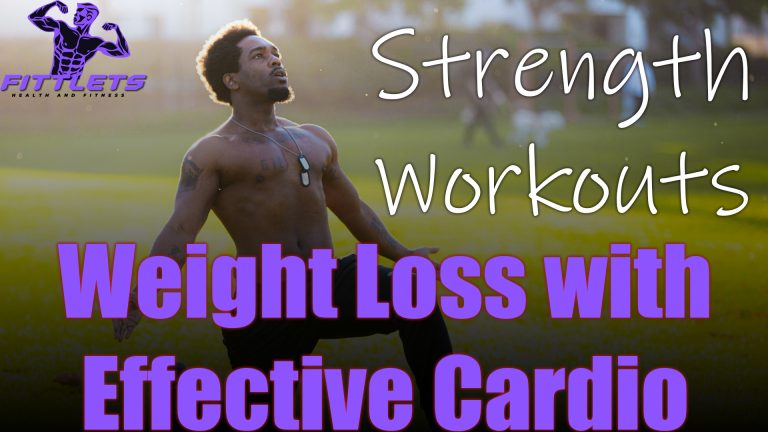
Strength training is essential for weight loss because it builds lean muscle, which increases your metabolism. Exercises like squats, lunges, push-ups, rows, and deadlifts burn more calories and shape your body. Aim for 3–4 strength sessions per week focusing on full-body workouts.
Add Cardio for Extra Calorie Burn
Cardio helps burn calories and improve heart health. Effective options include brisk walking, cycling, jogging, swimming, and HIIT. Combine moderate-intensity cardio with short high-intensity sessions for best results. Try 30–45 minutes of cardio, 3–5 times a week.
Follow a Balanced Nutrition Plan
Nutrition plays a bigger role in weight loss than most people realize. Focus on:
High-protein foods to support muscle and reduce hunger
Complex carbohydrates for energy
Healthy fats for hormone balance
Plenty of fruits and vegetables for nutrients
Avoid extreme diets. Instead, aim for consistency and portion control.
Stay Hydrated and Manage Portions
Drinking enough water helps control appetite and supports metabolism. Pay attention to portion sizes, especially for high-calorie foods. Eating slowly and mindfully helps prevent overeating.
Time Your Meals Smartly
Eating balanced meals throughout the day keeps energy levels stable. Include protein in every meal and avoid skipping meals, as this often leads to overeating later.
Prioritize Sleep and Recovery
Lack of sleep can slow weight loss by increasing hunger hormones. Aim for 7–9 hours of quality sleep per night. Recovery allows your body to repair muscles and maintain energy for workouts.
Track Progress and Stay Consistent
Track workouts, food intake, and progress measurements. Progress is not only shown on the scale — improved energy, strength, and confidence also matter. Consistency over weeks and months leads to real results.
Avoid Common Weight Loss Mistakes
Relying only on cardio
Skipping meals
Cutting calories too aggressively
Ignoring strength training
Expecting instant results
Smart balance always beats extreme methods.
Final Thoughts
Using fitness and nutrition together is the most effective way to reach your weight loss goals. Strength training builds muscle, cardio burns calories, and balanced nutrition fuels your body. Focus on sustainable habits, stay consistent, and results will follow naturally.