
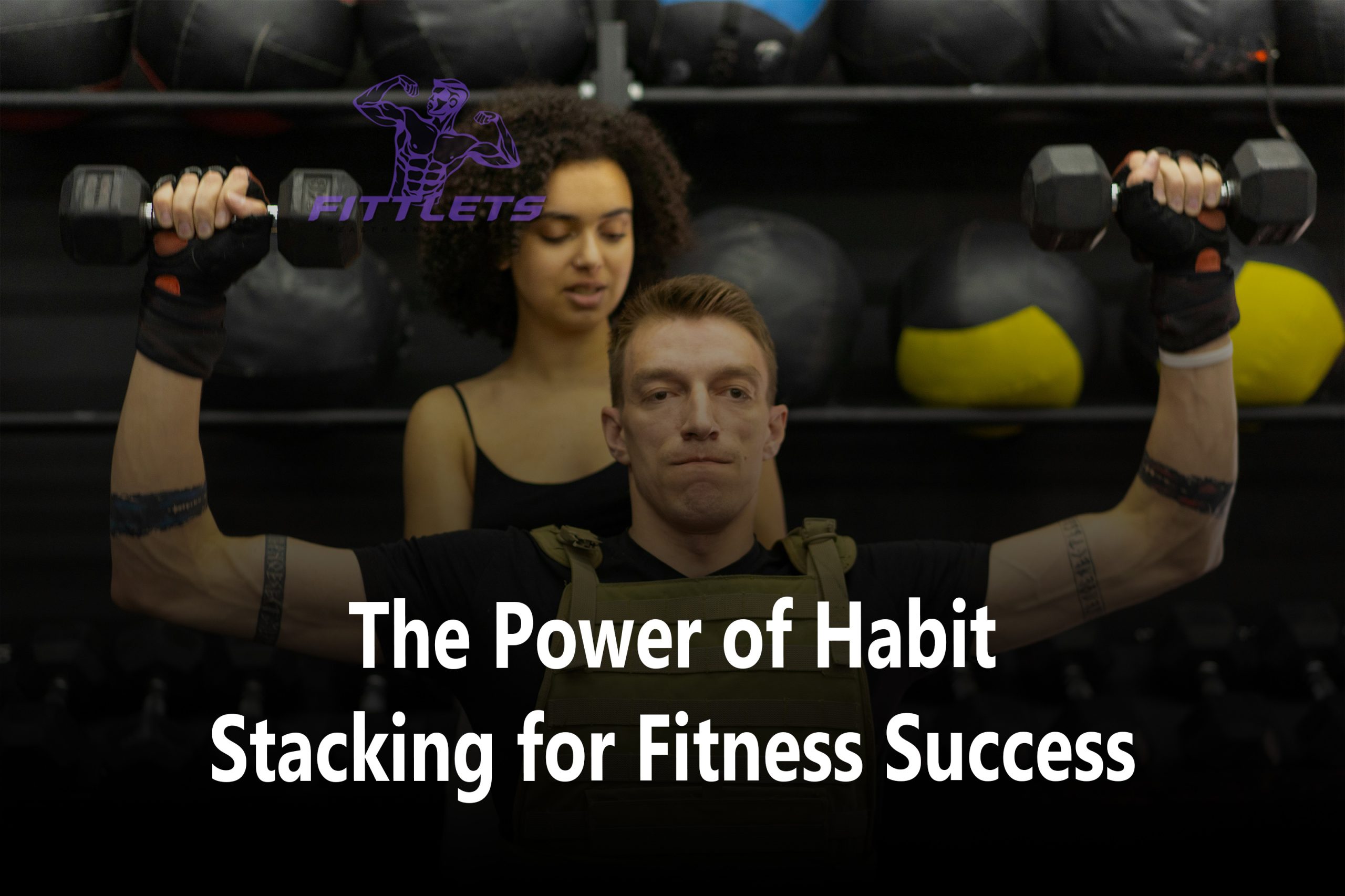
The Power of Habit Stacking for Fitness Success
One of the biggest challenges in fitness isn’t knowing what to do—it’s staying consistent. Many people start strong but struggle to maintain workouts once motivation fades or life gets busy. This is where habit stacking becomes a powerful tool for long-term fitness success.
Habit stacking is a simple strategy that helps you build new habits by attaching them to routines you already do every day. Instead of relying on motivation or willpower, you use existing habits as anchors to make fitness feel automatic and sustainable.
What Is Habit Stacking?
Habit stacking is the practice of linking a new habit to an established one. Your brain already recognizes and performs daily routines with little effort, such as brushing your teeth, making coffee, or starting your workday.
By stacking a fitness habit onto one of these routines, you reduce mental resistance. Instead of asking, “When will I work out?” you create a natural sequence that makes movement part of your day.
Fitness becomes something you do, not something you have to think about.
Why Habit Stacking Works for Fitness
Traditional fitness plans often fail because they depend on motivation, which fluctuates. Habit stacking works because it removes decision-making from the process.
When exercise is tied to an existing habit, consistency improves. Your brain begins to expect the movement as part of the routine, making it easier to repeat day after day.
This approach also lowers the intimidation factor. You don’t need long or intense workouts to build momentum—small actions repeated consistently lead to lasting results.
How Habit Stacking Builds Consistency
Consistency is built through repetition, not intensity. Habit stacking encourages small, manageable actions that fit naturally into your lifestyle.
For example, stretching right after waking up or doing bodyweight exercises immediately after work creates a predictable pattern. Over time, these small actions strengthen the habit loop and make fitness feel effortless.
Once consistency is established, intensity and duration can gradually increase.
Habit Stacking Reduces Mental Resistance
One of the main reasons people skip workouts is mental resistance. Deciding when to exercise, what to do, and how long it will take can feel overwhelming.
Habit stacking simplifies the process. The decision is already made because the action is tied to something you already do. This reduces excuses and helps you stay on track even on low-energy days.
Using Habit Stacking for Busy Schedules
Busy schedules are one of the most common barriers to fitness. Habit stacking helps you work around time constraints rather than fighting them.
Short workouts stacked onto daily routines allow you to stay active without carving out large blocks of time. Even five to ten minutes of movement stacked consistently can improve strength, mobility, and energy levels.
Fitness no longer feels like an extra task—it becomes part of your day.
Habit Stacking and Identity Change
One of the most powerful effects of habit stacking is how it shapes identity. When you consistently perform small fitness habits, you start seeing yourself as someone who prioritizes health.
This identity shift reinforces behavior. Instead of forcing workouts, you naturally choose actions that align with who you believe you are.
Small habits build self-trust, which fuels long-term success.
Scaling Fitness Habits Over Time
Habit stacking is not about staying small forever. It’s about creating a foundation you can build on.
Once a stacked habit feels automatic, you can increase its intensity or add another habit. A short walk can turn into a longer cardio session. A few push-ups can evolve into a full strength workout.
Growth happens naturally when habits are stable.
Avoiding Burnout With Habit Stacking
Burnout often happens when people try to change too much at once. Habit stacking encourages gradual progress, which protects both physical and mental health.
Because the habits are small and manageable, they feel achievable even during stressful periods. This makes it easier to stay consistent year-round without feeling overwhelmed.
Making Fitness a Lifestyle, Not a Phase
The ultimate goal of fitness isn’t short-term results—it’s long-term health. Habit stacking supports this by integrating movement into everyday life.
When fitness is woven into your routine, it no longer feels like a temporary challenge or a seasonal goal. It becomes a natural part of how you live, move, and take care of yourself.
Final Thoughts
Habit stacking is one of the most effective ways to build lasting fitness habits. By attaching movement to routines you already follow, you remove reliance on motivation and create consistency through structure.
Fitness success doesn’t come from doing everything perfectly. It comes from showing up regularly, even in small ways. When habits stack together, progress becomes inevitable—and fitness becomes part of who you are.