How Pilates Classes Can Help Improve Flexibility and Core Strength
How Pilates Classes Can Help Improve Flexibility and Core Strength

Pilates has become one of the most popular forms of exercise for people looking to improve flexibility, build strength, and enhance overall body awareness. Originally developed by Joseph Pilates in the early 20th century, this method of movement focuses on controlled, precise exercises that connect the body and mind. Today, Pilates classes are accessible to people of all fitness levels and are particularly effective for improving core strength and flexibility.
What Is Pilates?
Pilates is a low-impact exercise system designed to strengthen muscles while improving postural alignment and flexibility. Unlike some high-intensity workouts, Pilates emphasizes quality of movement over quantity of repetitions. Exercises can be performed on a mat or specialized equipment like the Reformer, which uses resistance springs to increase intensity and variety.
Why Core Strength Matters
The core is more than just the abdominal muscles—it includes the lower back, hips, and pelvic floor. A strong core stabilizes the entire body, supports good posture, and reduces the risk of injury. Pilates places a major emphasis on engaging and strengthening these muscles through mindful, controlled movements. Over time, this leads to better balance, improved athletic performance, and less strain on the spine.
How Pilates Improves Flexibility
Flexibility is often overlooked in fitness routines, but it is essential for mobility, joint health, and injury prevention. Pilates combines dynamic stretches and lengthening exercises that gently expand the range of motion in muscles and joints. Unlike static stretching, Pilates incorporates flexibility training into functional movements, making it easier to apply in everyday life.
Key Benefits of Pilates Classes
- Improved Posture: Pilates strengthens the muscles that support proper alignment, reducing slouching and back pain.
- Increased Flexibility: Regular practice lengthens muscles, leading to greater mobility and freedom of movement.
- Stronger Core: Nearly every Pilates exercise engages the core, creating stability and strength.
- Enhanced Body Awareness: Pilates emphasizes mindful movement, improving coordination and balance.
- Low-Impact Training: Pilates is gentle on the joints, making it safe for all ages and fitness levels.
Types of Pilates Classes
Mat Pilates
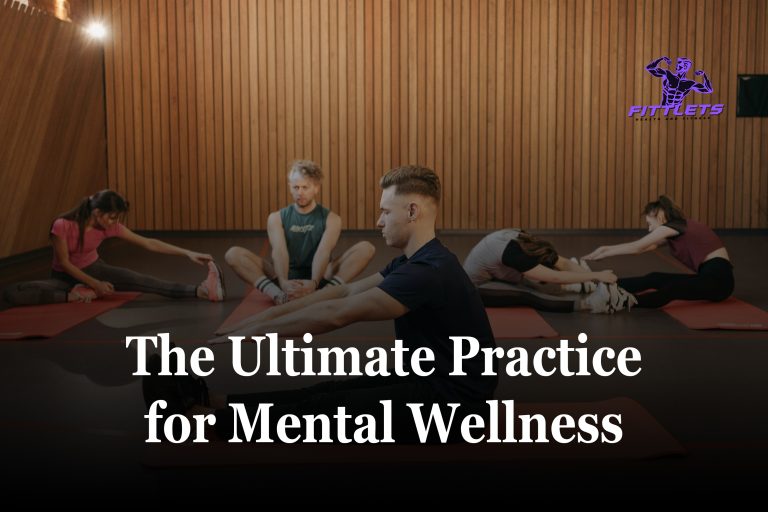
This form is performed on a mat with minimal equipment, using bodyweight resistance. It’s accessible, affordable, and effective for beginners and advanced practitioners alike.
Reformer Pilates
Done on a specialized machine called a Reformer, this type uses springs and pulleys to add resistance and support. It offers a wider variety of movements and is excellent for building both strength and flexibility.
Contemporary Pilates
This modern adaptation blends traditional Pilates principles with other fitness techniques, including yoga and functional training, for a more diverse experience.
Who Can Benefit from Pilates?
Pilates is suitable for almost everyone. Athletes use it to enhance performance, while office workers find relief from back pain caused by prolonged sitting. It’s also commonly recommended for people recovering from injuries, as its controlled, low-impact nature supports rehabilitation. Seniors often practice Pilates to maintain mobility and prevent falls, while new mothers use it to rebuild strength after childbirth.
Tips for Getting Started with Pilates
- Begin with a beginner-friendly class to learn the fundamentals of breathing and core engagement.
- Wear comfortable, form-fitting clothing to allow for easy movement and alignment checks.
- Consider working with a certified instructor to ensure proper form and technique.
- Stay consistent—2 to 3 classes per week can deliver noticeable results within weeks.
- Pair Pilates with cardio or strength training for a well-rounded fitness routine.
Conclusion
Pilates classes offer a balanced approach to fitness by focusing on flexibility, core strength, and mindful movement. Whether performed on a mat or a Reformer, Pilates helps improve posture, reduce injury risk, and enhance overall body awareness. By making Pilates a regular part of your fitness journey, you’ll not only build a stronger core and more flexible body but also develop the mental focus and balance needed for long-term health and wellness.
</