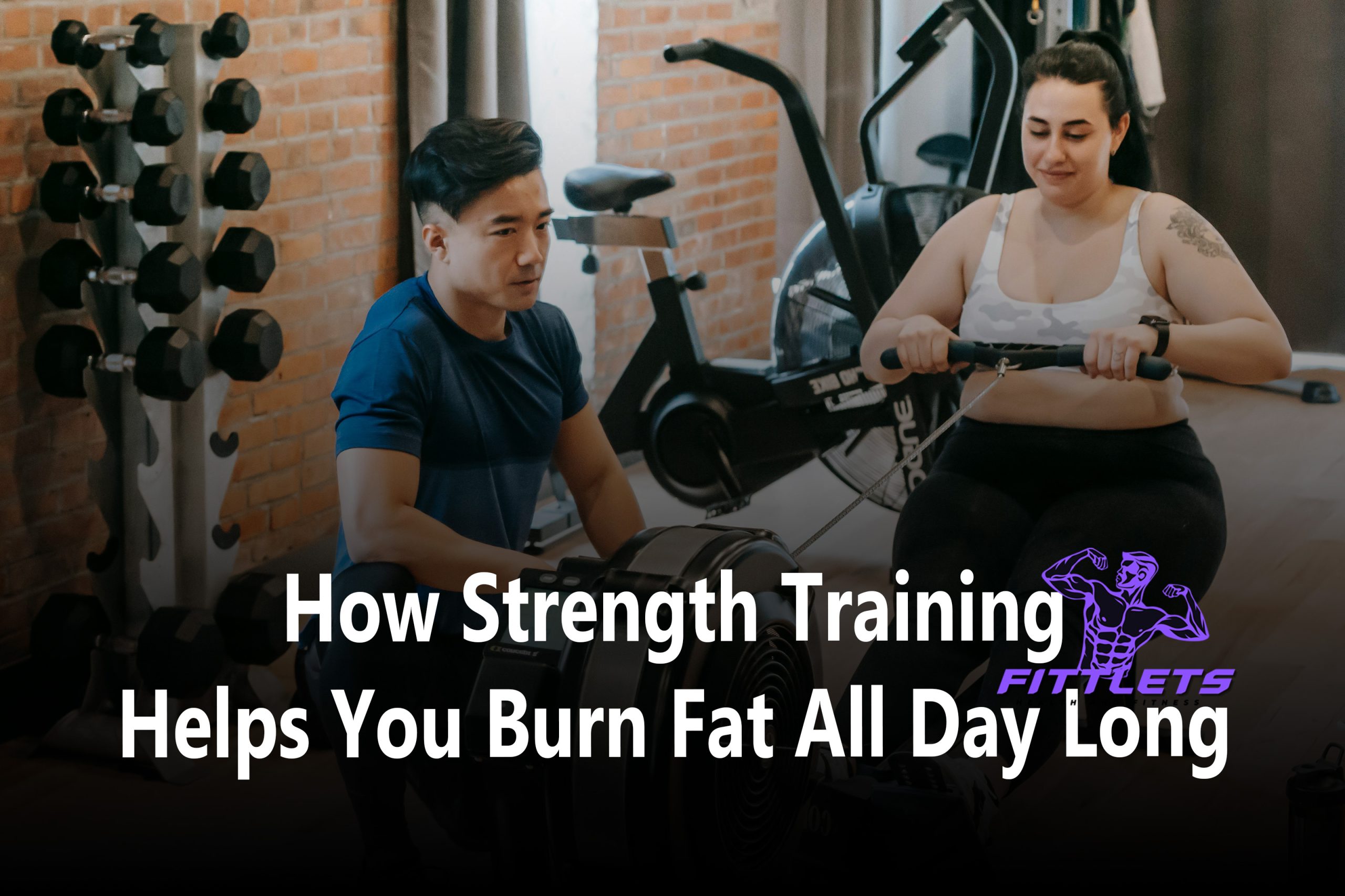
How Strength Training Helps You Burn Fat All Day Long
When most people think about fat loss, they immediately think of cardio. Running, cycling, and long treadmill sessions are often seen as the fastest way to burn calories. While cardio has its place, strength training plays a much bigger role in long-term fat loss than many realize.
Strength training doesn’t just burn calories during your workout. It changes how your body uses energy throughout the entire day. From boosting metabolism to preserving lean muscle and improving hormone balance, lifting weights helps you burn fat long after you leave the gym.
Understanding how this process works can completely change the way you approach your fitness routine.
Fat Loss Is More Than Calories Burned in the Gym
One of the biggest misconceptions about fat loss is that it’s only about how many calories you burn during exercise. While that matters, it’s only part of the picture.
Your body burns calories 24 hours a day, even when you’re sleeping. This is known as your resting metabolic rate. The higher your metabolism, the more calories you burn at rest, and strength training is one of the most effective ways to increase it.
Cardio burns calories while you’re doing it. Strength training helps you burn calories all day long.
Muscle Is Metabolically Active Tissue
Muscle tissue requires more energy to maintain than fat tissue. This means the more muscle you have, the more calories your body needs just to function.
Strength training helps build and preserve lean muscle mass. Even small increases in muscle can raise your daily calorie expenditure over time. While this increase may seem modest day to day, it adds up significantly over weeks, months, and years.
This is why people who focus on strength training often find it easier to maintain fat loss long-term compared to those who rely on cardio alone.
The Afterburn Effect Explained
One of the biggest advantages of strength training is something called excess post-exercise oxygen consumption, often referred to as the afterburn effect.
After a challenging strength workout, your body continues to burn extra calories as it recovers. Muscles repair themselves, glycogen stores are replenished, and your nervous system resets. All of this requires energy.
This elevated calorie burn can last for hours, and sometimes even up to a full day after intense resistance training. Cardio, especially steady-state cardio, produces a much smaller afterburn effect.
Strength Training Improves Insulin Sensitivity
Insulin plays a major role in fat storage. When your body is more sensitive to insulin, it’s better at using carbohydrates for energy instead of storing them as fat.
Strength training improves insulin sensitivity by increasing the muscles’ ability to absorb glucose from the bloodstream. This means fewer blood sugar spikes and less fat storage over time.
Better insulin sensitivity also leads to more stable energy levels and reduced cravings, making it easier to stay in a calorie deficit.
More Muscle Means Better Nutrient Partitioning
Nutrient partitioning refers to where the calories you eat go in your body. Ideally, you want more nutrients to go toward muscle repair and energy, not fat storage.
Strength training improves nutrient partitioning by increasing muscle demand for nutrients. When muscles are trained regularly, they act like a sponge for carbohydrates and protein, using them to recover and grow instead of storing them as fat.
This is one reason people who lift weights often look leaner even if their scale weight doesn’t change much.
Hormonal Benefits of Strength Training
Strength training positively affects several hormones involved in fat loss and muscle maintenance. Resistance exercise can increase growth hormone and testosterone levels, both of which support fat burning and muscle preservation.
At the same time, strength training helps regulate cortisol, the body’s primary stress hormone. While cortisol is necessary in small amounts, chronically high levels can promote fat storage, especially around the midsection.
Balanced strength training supports a hormonal environment that favors fat loss rather than fat gain.
Why Cardio Alone Isn’t Enough
Cardio burns calories, but excessive cardio without strength training can lead to muscle loss, especially during calorie restriction. Losing muscle lowers your metabolism, making fat loss harder over time.
Many people experience this as weight loss followed by a plateau or rapid regain. They lose weight initially, but their body becomes more efficient and burns fewer calories.
Strength training protects muscle mass during fat loss, helping maintain a higher metabolism and better body composition.
Strength Training Changes Your Body Shape
Fat loss isn’t just about the number on the scale. Strength training reshapes your body by building muscle underneath the fat.
As muscle develops, areas like the arms, legs, glutes, and back become firmer and more defined. Even without dramatic weight loss, body fat percentage can decrease, leading to a leaner, more athletic appearance.
This is why many people who lift weights look fitter than those who only rely on cardio, even at similar body weights.
Full-Body Workouts vs Split Routines
Both full-body and split routines can help you burn fat effectively. Full-body workouts are often ideal for beginners or people with limited time because they stimulate multiple muscle groups in one session.
Split routines allow for more volume per muscle group and are often preferred by intermediate and advanced lifters. Training different muscles on different days still keeps metabolism elevated while allowing adequate recovery.
The best program is one that fits your schedule and allows for consistent progress.
How Often Should You Strength Train for Fat Loss?
For most people, strength training three to four times per week is enough to see significant fat loss benefits. Each session should challenge the muscles with progressive resistance.
Training too little may not provide enough stimulus, while training too much without recovery can increase fatigue and stress. Consistency matters more than frequency alone.
The Role of Progressive Overload
To continue burning fat and building muscle, strength training must progress over time. This means gradually increasing weight, reps, or training intensity.
Progressive overload keeps the body adapting, which maintains a higher metabolic demand. Without progression, workouts become maintenance-level and fat loss may stall.
Small improvements over time lead to long-term success.
Strength Training and Appetite Control
Strength training doesn’t just affect calories burned. It can also influence hunger hormones. Many people find that lifting weights helps regulate appetite better than excessive cardio.
By improving blood sugar control and hormone balance, strength training can reduce cravings and prevent extreme hunger that leads to overeating.
This makes staying in a calorie deficit feel more manageable and sustainable.
Fat Loss While You Sleep
One of the most overlooked benefits of strength training is how it affects overnight fat burning. After resistance training, the body continues repairing muscle tissue during sleep.
This recovery process requires energy, which means you’re burning more calories even while resting. Quality sleep combined with regular strength training creates an environment where fat loss continues around the clock.
Strength Training for All Fitness Levels
Strength training isn’t just for athletes or bodybuilders. It can be adapted for beginners, older adults, and anyone looking to improve health and body composition.
Using machines, free weights, resistance bands, or bodyweight exercises can all stimulate muscle growth and metabolic benefits when done properly.
The key is choosing appropriate resistance and focusing on good form.
Combining Strength Training With Cardio
The most effective fat-loss programs often combine strength training with moderate cardio. Strength training builds muscle and boosts metabolism, while cardio supports heart health and additional calorie burn.
The balance depends on individual goals, recovery ability, and preferences. However, strength training should form the foundation of any fat-loss plan aimed at long-term results.
Long-Term Fat Loss vs Quick Fixes
Quick-fix fat-loss strategies often focus on extreme calorie restriction or excessive cardio. While these may produce short-term weight loss, they are rarely sustainable.
Strength training supports long-term fat loss by improving metabolism, body composition, and overall health. Instead of fighting your body, it works with your physiology.
Final Thoughts
Strength training helps you burn fat all day long by increasing muscle mass, boosting metabolism, improving hormone balance, and elevating calorie burn even at rest. It transforms your body into a more efficient fat-burning machine, not just during workouts, but around the clock.
If your goal is lasting fat loss and a stronger, healthier body, strength training isn’t optional. It’s essential. Combined with proper nutrition, recovery, and consistency, it becomes one of the most powerful tools for changing how your body looks and feels.