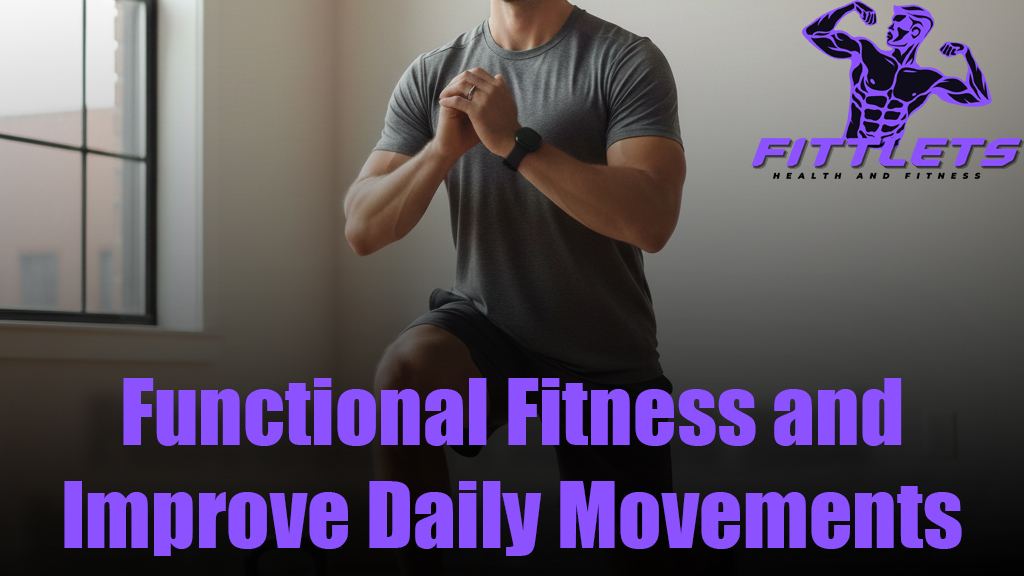
How to Train for Functional Fitness and Improve Daily Movements
Functional fitness is all about training your body to handle real-life movements with ease, strength, and control. Unlike traditional workouts that focus on isolated muscles, functional fitness improves how your body performs everyday tasks such as lifting, bending, pushing, pulling, and rotating. This type of training helps you move better, feel stronger, and reduce the risk of injury in daily life.
What Is Functional Fitness?
Functional fitness is a training approach that focuses on movement patterns rather than individual muscles. It prepares your body for daily activities by strengthening multiple muscle groups at the same time. Whether you are carrying groceries, climbing stairs, or sitting and standing, functional fitness improves how efficiently and safely you move.
Why Functional Fitness Matters
Training for functional fitness offers benefits that go beyond appearance:
Improves balance, coordination, and stability
Builds real-world strength for daily tasks
Enhances mobility and joint health
Reduces the risk of injuries and muscle imbalances
Supports long-term physical independence
Because these exercises reflect natural movements, the results directly translate into everyday life.
Essential Movement Patterns to Train
To improve daily movements, your workouts should include these fundamental movement patterns:
Squatting: Sitting, standing, lifting objects from the ground
Hinging: Bending at the hips for safe lifting
Pushing: Pushing doors, carts, or weights
Pulling: Pulling bags, opening drawers, or rows
Rotating: Twisting safely while maintaining control
Carrying: Holding and transporting loads
Training these movements strengthens your body in a practical and functional way.
Best Functional Fitness Exercises
Effective functional fitness exercises work multiple muscles together:
Bodyweight and goblet squats
Forward and reverse lunges
Deadlifts and hip hinge movements
Push-ups and overhead presses
Rows and pull-downs
Planks and farmer’s carries
These exercises improve strength, coordination, and control at the same time.
Strengthen Your Core for Daily Stability
Your core plays a major role in almost every movement you perform. Functional core training focuses on stability rather than only crunches. Exercises like planks, dead bugs, bird dogs, and anti-rotation movements help protect your spine and improve posture during daily activities.
Don’t Ignore Balance and Mobility
Balance and mobility are key parts of functional fitness, especially as you age. Single-leg exercises, controlled movements, and mobility drills improve joint health and reduce the risk of falls. Adding mobility work keeps your body flexible and pain-free.
Apply Functional Fitness to Everyday Life
Functional fitness should improve how you move outside the gym. Practice proper lifting techniques, maintain good posture, walk more during the day, and stay active. These habits reinforce the benefits of your training.
How Often Should You Train Functional Fitness?
For best results:
Train 3–4 times per week
Combine strength, balance, and mobility work
Keep workouts 30–45 minutes long
Consistency is more important than intensity.
Progress Safely and Gradually
Begin with bodyweight exercises and focus on proper form. Gradually increase resistance, repetitions, or difficulty as your strength improves. Functional fitness prioritizes quality movement over heavy lifting.
Final Thoughts
Functional fitness training helps you move better, feel stronger, and perform daily tasks with confidence. By focusing on natural movement patterns, core stability, balance, and mobility, you can improve your daily movements and build a healthier, more active lifestyle that lasts.