How Yoga Helps with Flexibility and Strength Building
Yoga is one of the most effective practices for improving both flexibility and strength at the same time. Unlike traditional workouts that focus only on muscle power or stretching separately, yoga combines controlled movements, balance, and breathwork to build a strong, flexible, and resilient body.
Understanding Yoga’s Role in Fitness
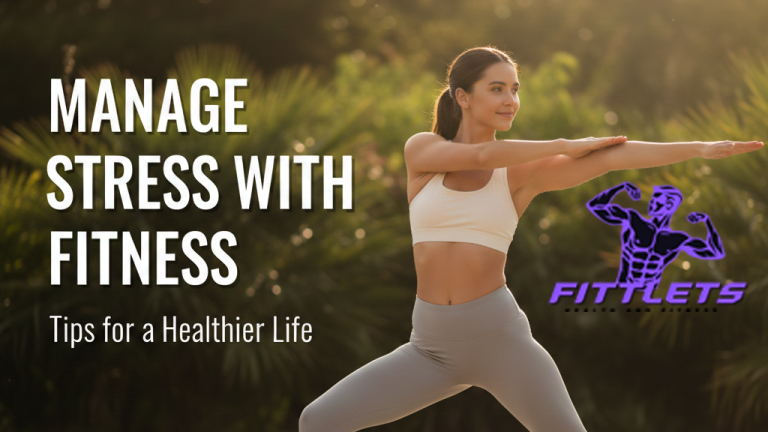
Yoga works by moving the body through different poses that stretch muscles while also requiring them to support body weight. This dual action helps lengthen muscles and strengthen them simultaneously. Over time, yoga improves mobility, posture, and overall physical performance.
How Yoga Improves Flexibility
Flexibility improves when muscles and joints move through their full range of motion. Yoga poses gently stretch tight muscles, reduce stiffness, and improve joint mobility. Regular practice helps:
Increase muscle elasticity
Reduce muscle tightness
Improve posture and movement quality
Lower the risk of injuries
Consistent yoga practice makes everyday movements easier and smoother.
How Yoga Builds Strength
Many yoga poses require you to hold your body weight in challenging positions. Poses like planks, warrior poses, chair pose, and downward-facing dog activate multiple muscle groups at once. This builds:
Core strength
Upper body strength
Lower body stability
Muscular endurance
Yoga develops functional strength without heavy equipment.
Balance and Core Stability
Balance is a key part of yoga. Standing and single-leg poses improve coordination and core engagement. A strong core supports better posture, protects the spine, and improves performance in other workouts and daily activities.
Mind-Muscle Connection
Yoga emphasizes slow, controlled movements and breathing, which strengthens the mind-muscle connection. This awareness improves muscle control, alignment, and overall strength development.
Yoga Styles for Flexibility and Strength
Different yoga styles offer different benefits:
Hatha Yoga: Great for beginners, focuses on basic poses and flexibility
Vinyasa Yoga: Builds strength through flowing movements
Power Yoga: Focuses more on strength and endurance
Yin Yoga: Targets deep flexibility and joint health
Choosing the right style depends on your goals.
Benefits Beyond Physical Strength
Yoga also supports mental well-being by reducing stress, improving focus, and promoting relaxation. Lower stress levels help muscles recover faster and improve overall fitness progress.
How Often Should You Practice Yoga?
For best results:
Practice yoga 3–5 times per week
Sessions can be 20–60 minutes
Combine yoga with strength or cardio training if desired
Consistency matters more than intensity.
Final Thoughts
Yoga is a powerful practice that builds flexibility, strength, balance, and mental clarity. By moving mindfully and consistently, yoga helps create a strong, flexible body that supports long-term health and daily performance.