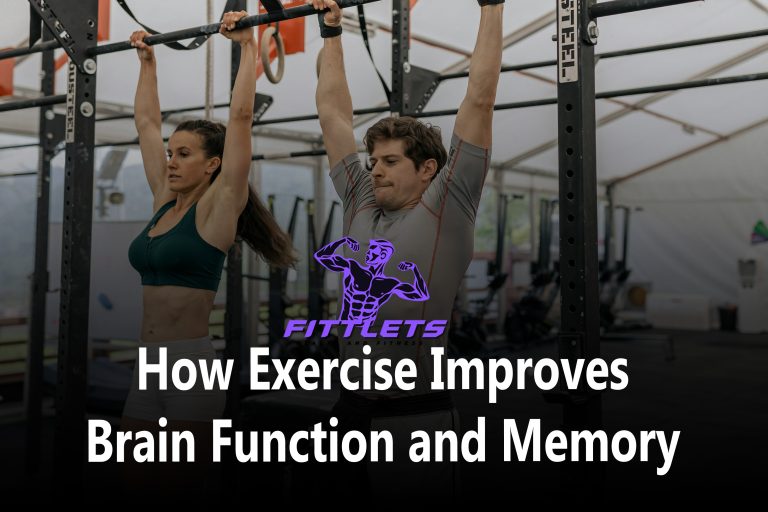

The Mind-Muscle Connection: Does It Really Improve Results?
You’ve probably heard trainers say, “Focus on the muscle you’re working.” This idea, known as the mind-muscle connection, is often promoted as a way to improve strength gains, muscle growth, and workout quality. But does consciously thinking about a muscle actually make a difference—or is it just fitness hype?
The mind-muscle connection is more than motivation or mindset. It’s a neurological process that can influence how muscles activate during exercise, how effectively they work, and how well they adapt over time.
What Is the Mind-Muscle Connection?
The mind-muscle connection refers to the ability to consciously engage and feel a specific muscle working during an exercise. Instead of simply moving weight from point A to point B, you focus on contracting the target muscle throughout the movement.
This awareness improves communication between your brain and muscles, helping you perform exercises with better control and intention.
How the Brain Controls Muscle Activation
Every movement starts in the brain. Signals travel through the nervous system to activate muscle fibers. When focus is high, the brain sends clearer, more efficient signals, leading to better muscle engagement.
When focus is low, other muscles may take over the movement, reducing the workload on the target muscle and limiting results.
Does the Mind-Muscle Connection Improve Muscle Growth?
For hypertrophy-focused training, the mind-muscle connection can be very effective. Research and practical experience show that increased muscle activation can lead to greater tension in the target muscle, which is a key driver of muscle growth.
This is especially true for:
Isolation exercises
Slower, controlled reps
Moderate weight ranges
By improving muscle activation, you can stimulate growth without constantly increasing weight.
Strength Training vs Muscle Activation
For maximum strength, such as heavy compound lifts, the mind-muscle connection plays a smaller role than overall force production. In exercises like squats, deadlifts, or bench presses, focusing too much on one muscle may actually reduce performance.
However, even in compound lifts, proper muscle awareness helps maintain good form, reduce injury risk, and ensure balanced development.
Better Form and Reduced Injury Risk
One of the biggest benefits of the mind-muscle connection is improved technique. When you’re mentally engaged, you’re more likely to control the movement, avoid momentum, and maintain proper alignment.
This reduces joint stress and lowers the risk of injury, especially during higher-volume training.
Improved Workout Quality
When you focus on muscle contraction instead of just lifting weight, workouts become more intentional. You’re less likely to rush reps or rely on momentum.
This leads to:
Better muscle fatigue
More effective sets
Greater training efficiency
Quality reps often matter more than heavier reps performed poorly.
Who Benefits Most From the Mind-Muscle Connection?
The mind-muscle connection is particularly helpful for:
Beginners learning proper form
Lifters struggling to “feel” certain muscles
Bodybuilders and physique-focused athletes
Anyone returning from injury
It’s also valuable for correcting muscle imbalances and improving weak points.
When the Mind-Muscle Connection Matters Less
During explosive training, athletic movements, or maximal strength attempts, automatic muscle coordination is more important than conscious focus. In these cases, overthinking can interfere with natural movement patterns.
The key is knowing when to apply focus and when to let the body perform instinctively.
How to Improve Your Mind-Muscle Connection
Improving this connection takes practice. Slowing down reps, using lighter weights, and pausing during contractions can help build awareness. Warm-up sets are especially effective for developing better muscle engagement before heavier lifts.
Over time, this awareness becomes automatic and carries over into all training.
Combining Mind-Muscle Connection With Progressive Overload
The best results come from combining mental focus with progressive overload. Mindful training improves muscle activation, while gradual increases in resistance drive long-term adaptation.
This balanced approach helps maximize results without unnecessary strain.
Final Thoughts
The mind-muscle connection is not a myth—but it’s also not magic. When used correctly, it can improve muscle activation, enhance workout quality, and support muscle growth. However, it should complement solid training principles, not replace them.
Focusing on the muscle you’re training can help you lift smarter, move better, and get more out of every rep. When your mind and muscles work together, your results often follow