
Mobility Training: Why It’s the Missing Piece in Your Fitness Routine
Most people focus on two main parts of fitness: strength and cardio. They lift weights to build muscle, run or cycle to improve endurance, and track calories to manage body composition. But there’s another essential component of fitness that often gets ignored until pain or stiffness shows up—mobility training.
Mobility is the ability of your joints to move freely and efficiently through a full range of motion. It’s what allows you to squat deeply, reach overhead without strain, and move without discomfort. Without good mobility, even strong muscles and a healthy heart can’t perform at their best.
For many Americans who spend hours sitting at desks, commuting, or looking down at screens, mobility limitations are becoming more common. Tight hips, stiff shoulders, and aching lower backs are often signs that mobility work is missing from a fitness routine.
Adding mobility training can improve performance, reduce injury risk, and help your body feel better every day.
What Is Mobility Training?
Mobility training focuses on improving how your joints move and how your muscles support that movement. It combines flexibility, strength, and control. Unlike passive stretching, which involves holding a position without much muscle engagement, mobility training teaches your body to actively move through ranges of motion.
This type of training might include controlled joint circles, dynamic stretches, and strength exercises performed through a full range of motion. The goal is not just to become more flexible, but to gain strength and stability in those new ranges.
Mobility helps you move with greater ease, efficiency, and confidence.
Why Mobility Matters More Than You Think
Limited mobility can quietly affect many parts of your life. If your hips are tight, your lower back may compensate. If your shoulders lack mobility, your neck might take on extra strain. Over time, these compensations can lead to discomfort or injury.
Improving mobility helps distribute movement more evenly throughout the body. This reduces stress on specific joints and allows muscles to work the way they’re designed to.
Better mobility also makes everyday movements—like bending down, reaching overhead, or getting out of a car—feel smoother and less taxing.
Enhancing Strength Training Results
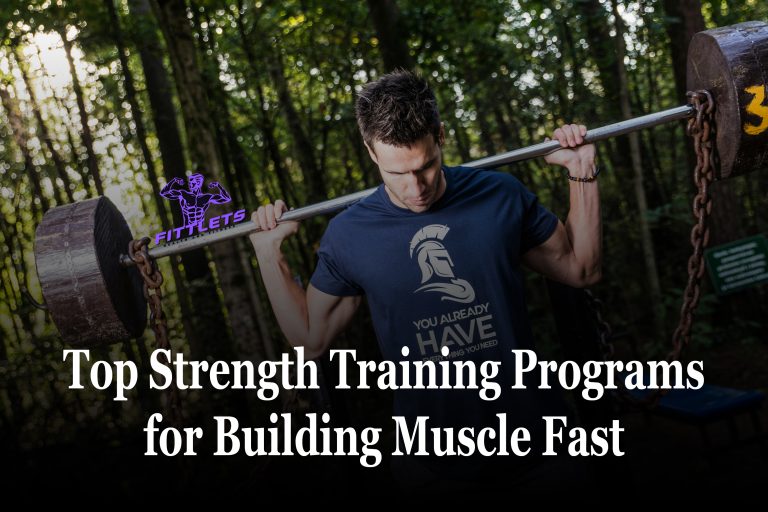
Mobility and strength go hand in hand. When joints can move freely, muscles can contract more effectively. For example, deeper hip mobility allows for better squats and lunges, which can lead to greater lower-body strength gains.
Limited mobility often restricts how well you can perform strength exercises. You might not be able to squat deeply, press overhead comfortably, or maintain good form during lifts. This limits progress and increases injury risk.
By improving mobility, you unlock better movement patterns and allow your strength workouts to be more effective.
Supporting Better Posture
Poor posture is a common issue, especially for people who sit for long periods. Tight chest muscles, stiff upper backs, and weak glutes can all contribute to slouched posture.
Mobility training addresses these imbalances by improving joint movement and muscle activation. When your body moves well, it’s easier to maintain an upright, aligned posture throughout the day.
Better posture reduces strain on the spine and can help prevent neck and back discomfort.
Reducing Risk of Injury
One of the biggest benefits of mobility training is injury prevention. When joints lack proper range of motion, the body compensates in ways that can overload muscles and connective tissues.
For example, limited ankle mobility can affect how you land when running or jumping, increasing stress on the knees. Poor shoulder mobility can lead to strain during pressing or throwing movements.
Improving mobility helps your body handle movement more safely and efficiently. This reduces the risk of strains, sprains, and overuse injuries.
Improving Athletic Performance
Athletes at all levels benefit from mobility training. Better joint movement leads to more powerful and efficient motion. Runners can achieve smoother strides, lifters can move heavier weights with better form, and recreational athletes can perform with greater ease.
Mobility also helps improve coordination and body awareness. When you can move through full ranges of motion with control, your movements become more fluid and effective.
Even if you’re not a competitive athlete, mobility enhances performance in everyday physical activities.
Easing Everyday Aches and Stiffness
Many people accept stiffness and minor aches as a normal part of aging or desk work. But often, these discomforts are linked to limited mobility.
Gentle, consistent mobility work can reduce tension and improve how your body feels day to day. Hips may feel looser, shoulders more relaxed, and your back less tight.
Over time, this can make daily life more comfortable and reduce the need for frequent rest or recovery days caused by stiffness.
Boosting Body Awareness and Control
Mobility training encourages you to move with intention. Slow, controlled exercises help you pay attention to how your joints and muscles feel. This increased awareness helps you notice imbalances or tight areas before they turn into bigger issues.
Better body awareness also improves movement quality in other workouts. You’re more likely to maintain proper form and alignment when lifting weights or doing cardio.
Supporting Recovery
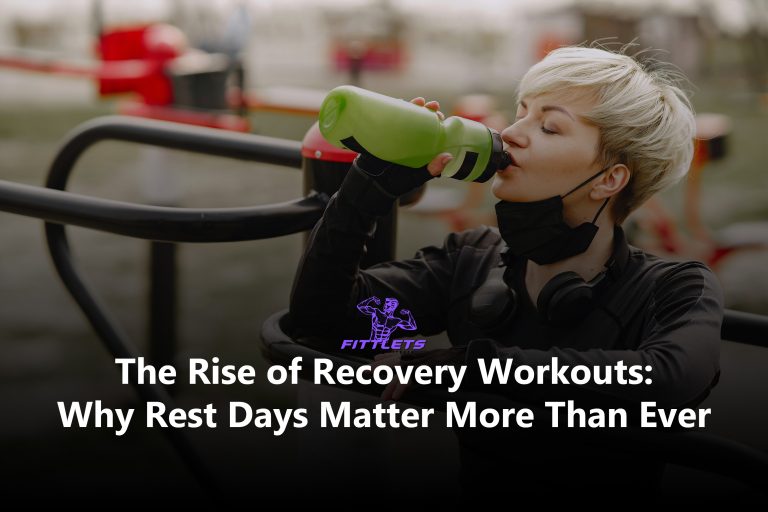
Mobility work can be a great addition to recovery days. Gentle movements increase blood flow to muscles and joints without placing heavy stress on the body. This can help reduce soreness and stiffness after intense workouts.
By keeping your joints moving and your muscles active, mobility training supports overall recovery and keeps you feeling ready for your next session.
Mobility and Aging Well
As people age, joints naturally become stiffer and range of motion can decrease. Mobility training helps counteract this process by keeping joints active and muscles engaged.
Maintaining mobility supports independence and reduces the risk of falls or movement-related injuries. Simple tasks like climbing stairs, reaching shelves, or getting up from the floor become easier when mobility is preserved.
This makes mobility training an important part of long-term health and quality of life.
How Mobility Complements Cardio and Strength
Cardio strengthens your heart and lungs. Strength training builds muscle and bone density. Mobility training ensures your joints can move properly so you can fully benefit from both.
Without mobility, your movement may be restricted, limiting performance and increasing strain. With mobility, your workouts feel smoother and more effective.
Together, these three elements create a balanced and complete fitness routine.
Making Mobility Part of Your Routine
Mobility training doesn’t have to take hours. Short sessions added to warm-ups, cool-downs, or rest days can make a big difference. Consistency matters more than duration.
Over time, these small efforts add up to noticeable improvements in how you move and feel.
Long-Term Benefits
The long-term benefits of mobility training include better posture, reduced injury risk, improved performance, and less daily discomfort. It helps your body stay adaptable and resilient.
Mobility is not just for athletes or people recovering from injuries. It’s for anyone who wants to move well and stay active for years to come.
Final Thoughts
Mobility training is often the missing piece in a fitness routine focused only on strength and cardio. By improving joint movement, muscle control, and body awareness, mobility helps you move more efficiently and comfortably.
Adding mobility work can enhance strength gains, support better posture, reduce injury risk, and make everyday activities feel easier. It’s a simple but powerful way to invest in your long-term health.
When your body moves well, everything else in fitness becomes more effective. Mobility isn’t an optional extra—it’s a foundation for lifelong movement and well-being.