
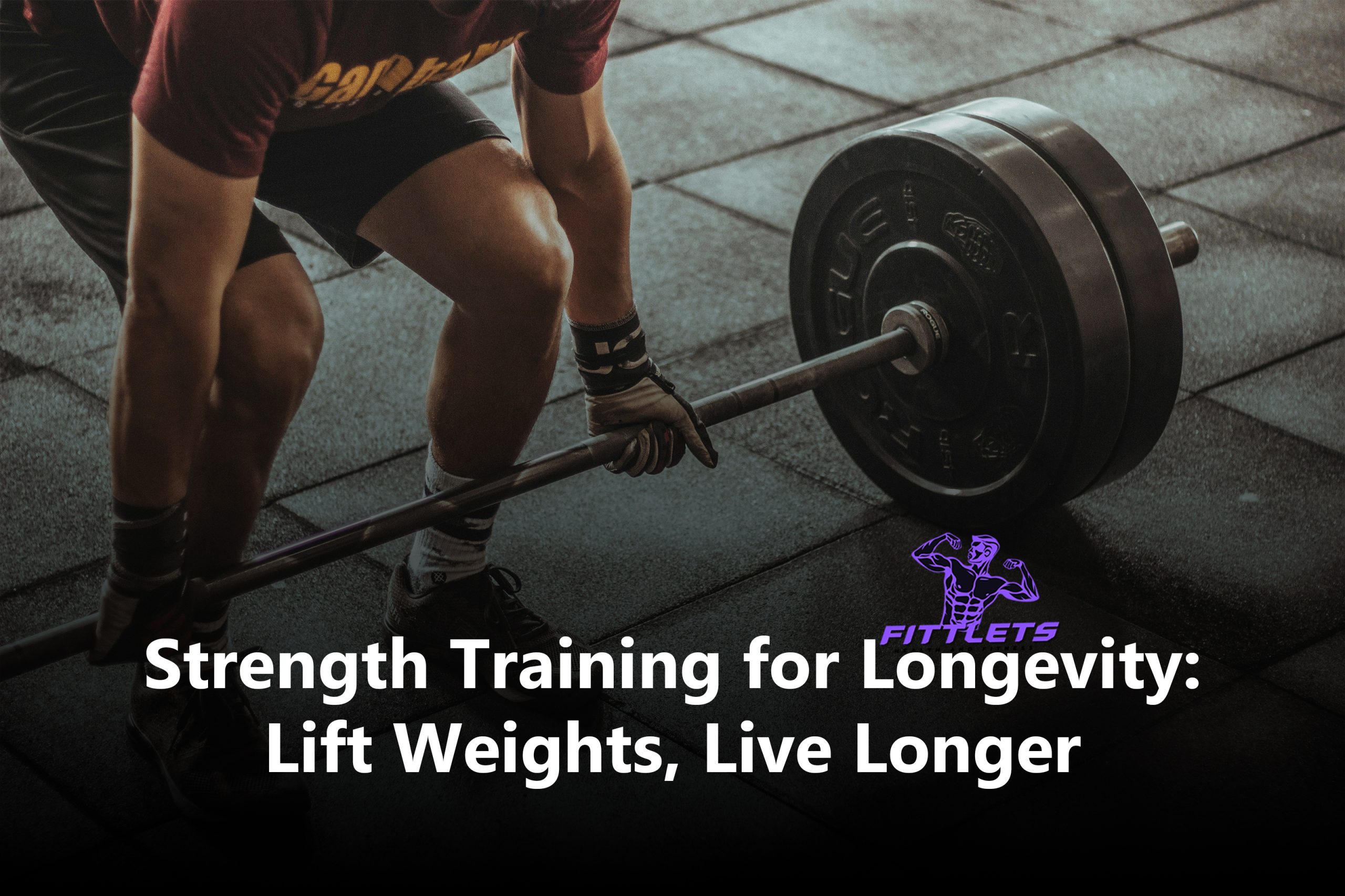
Strength Training for Longevity: Lift Weights, Live Longer
When most people think about living a long and healthy life, they picture eating well, managing stress, and doing some form of cardio. While those habits are important, one of the most powerful tools for longevity is often overlooked: strength training.
Lifting weights is not just for athletes or people who want bigger muscles. It is one of the most effective ways to protect your body as you age. Strength training supports your muscles, bones, metabolism, heart health, and even brain function. For adults across the United States, adding resistance training to a weekly routine can significantly improve both lifespan and quality of life.
Aging is inevitable, but how you age is something you can influence. Strength training helps you stay capable, independent, and resilient for years to come.
Why Muscle Matters More as You Age
Starting in your 30s, your body naturally begins to lose muscle mass in a process known as age-related muscle loss. This decline can speed up with inactivity. Less muscle means lower metabolism, reduced strength, and a higher risk of falls and injuries.
Strength training slows this process by stimulating muscle growth and preserving the muscle you already have. Maintaining muscle mass helps you perform everyday tasks like carrying groceries, climbing stairs, and getting up from a chair with ease.
Stronger muscles also support your joints, reducing wear and tear and lowering injury risk.
Bone Health and Fracture Prevention
As people age, bone density often decreases, increasing the risk of fractures. Strength training places healthy stress on bones, encouraging them to stay strong and dense.
This is especially important for older adults, as hip and spine fractures can seriously affect independence and quality of life. Weight-bearing and resistance exercises help protect against bone loss and keep the skeletal system resilient.
Strong bones and strong muscles work together to support balance and stability.
A Faster Metabolism Over Time
Muscle tissue burns more energy at rest than fat tissue. When you build and maintain muscle through strength training, your resting metabolic rate stays higher.
This makes it easier to manage body weight over the years. Weight gain often becomes more common with age, partly due to muscle loss and a slowing metabolism. Strength training helps counteract this trend.
Maintaining a healthy weight supports heart health, joint comfort, and overall energy levels.
Heart Health Benefits
While cardio often gets most of the attention for heart health, strength training also plays an important role. Regular resistance exercise can help lower blood pressure, improve cholesterol levels, and enhance blood sugar control.
These improvements reduce the risk of heart disease, which remains a leading health concern for adults in the United States.
When combined with aerobic activity, strength training creates a well-rounded program that supports long-term cardiovascular wellness.
Better Balance and Fewer Falls
Falls are a major concern as people get older. Muscle weakness, especially in the legs and core, increases fall risk. Strength training improves balance, coordination, and stability.
Exercises that strengthen the lower body and core help you move more confidently and react more quickly if you lose balance. This can significantly reduce the likelihood of falls and related injuries.
Maintaining strength is one of the best ways to stay independent as you age.
Supporting Brain Health
Strength training benefits not only the body but also the brain. Physical activity increases blood flow to the brain and supports the release of chemicals that promote brain health.
Some research suggests that resistance training may help improve memory, focus, and overall cognitive function. Staying mentally sharp is an important part of longevity and quality of life.
The mind and body are deeply connected, and strength training supports both.
Joint Protection and Pain Reduction
Many people avoid lifting weights because they worry about joint pain. When done with proper form, strength training can actually protect joints. Strong muscles absorb more force and stabilize joints, reducing stress on ligaments and cartilage.
This can help decrease discomfort from everyday movements and support long-term joint health.
Improved Mood and Mental Resilience
Strength training has powerful effects on mental health. It can reduce symptoms of anxiety and depression, improve self-confidence, and provide a sense of accomplishment.
Feeling strong physically often translates to feeling stronger mentally. This resilience supports better coping with life’s challenges.
Preserving Independence
One of the most important aspects of longevity is maintaining independence. Strength training helps ensure you can continue doing daily tasks without relying heavily on others.
From lifting objects to getting up off the floor, strength supports functional movement that keeps you self-sufficient.
Quality of Life Matters
Living longer is meaningful only if you can enjoy those extra years. Strength training supports energy, mobility, and confidence. It helps you stay active in hobbies, travel, and time with loved ones.
A strong body supports a vibrant, engaged life.
It’s Never Too Late to Start
Even people who begin strength training later in life can see significant benefits. Muscles respond to resistance at any age. Starting slowly and progressing gradually can lead to meaningful improvements in strength and function.
The key is consistency and proper technique.
Making Strength Training Part of Your Routine
A balanced strength routine targets all major muscle groups and allows time for recovery. Over time, gradually increasing resistance challenges muscles to adapt and grow stronger.
This ongoing adaptation is what helps protect your body as the years go by.
Long-Term Impact on Longevity
Strength training addresses many of the major factors that influence aging, including muscle loss, bone density decline, metabolic slowdown, and reduced balance. By targeting these areas, it supports both longer life and better quality of life.
It’s one of the most efficient and impactful habits you can adopt for healthy aging.
Final Thoughts
Strength training is far more than a way to build muscle or improve appearance. It is a powerful investment in your future health. By preserving muscle mass, strengthening bones, supporting heart health, and improving balance, lifting weights helps you stay strong and capable as you age.
For adults of all ages, adding strength training to your routine can increase not just lifespan, but healthspan—the years you feel strong, independent, and active.
Lifting weights today can help you live better, longer.