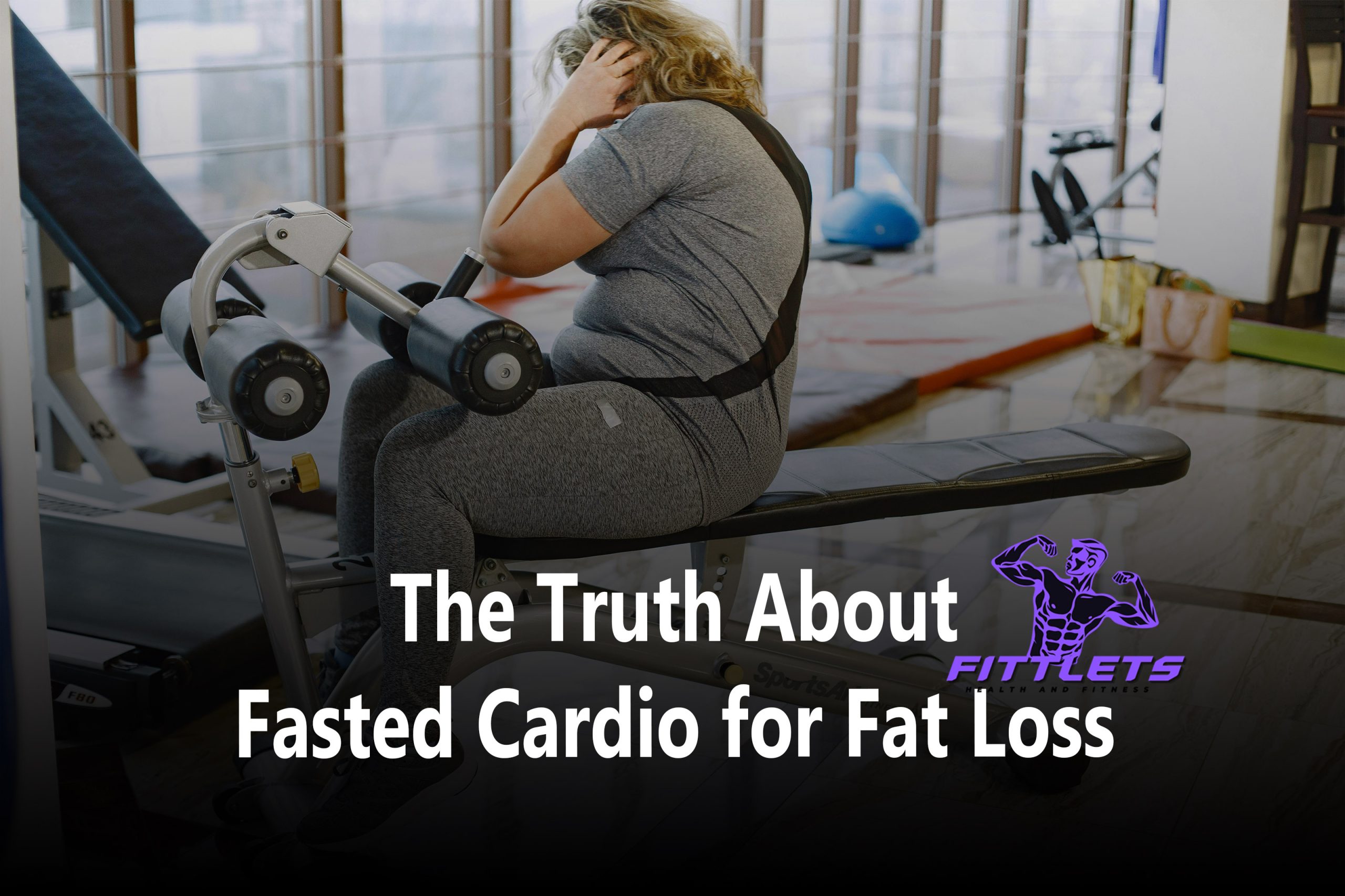
The Truth About Fasted Cardio for Fat Loss
Fasted cardio has been one of the most debated topics in the fitness world for years. Some swear by early-morning treadmill sessions before breakfast, claiming it melts fat faster. Others argue it’s unnecessary and even counterproductive. With so many opinions floating around, it’s easy to feel confused about whether fasted cardio actually works.
If your goal is fat loss, understanding how your body uses energy, how fasted cardio affects performance, and whether it fits your lifestyle is far more important than following trends. Let’s break down the science in a simple, practical way and uncover the real truth about fasted cardio for fat loss.
What Is Fasted Cardio?
Fasted cardio refers to performing cardiovascular exercise after a period of not eating, usually first thing in the morning after an overnight fast. During this time, insulin levels are low, and glycogen stores may be partially depleted, especially in the liver.
The idea behind fasted cardio is that when your body doesn’t have immediate access to carbohydrates, it relies more heavily on stored fat for energy. This concept sounds logical on the surface, which is why it has remained popular for decades.
However, fat loss is not just about what fuel your body uses during a single workout. It’s about what happens over days, weeks, and months.
How the Body Burns Fat
To understand fasted cardio, it’s important to understand how fat loss actually works. Your body is constantly using a mix of carbohydrates, fats, and sometimes protein for energy. The ratio depends on factors like exercise intensity, nutrition, and hormones.
When insulin is low, your body does tend to rely more on fat as a fuel source. This is true during low-intensity exercise performed in a fasted state. However, burning fat during a workout does not automatically mean you’ll lose more body fat overall.
Fat loss happens when you consistently burn more calories than you consume over time. What matters most is your total daily and weekly energy balance, not just what happens during one workout.
Does Fasted Cardio Burn More Fat?
During fasted cardio, your body may burn a higher percentage of fat calories compared to fed cardio. But percentage and total amount are not the same thing.
When you exercise after eating, especially carbohydrates, your body uses more glycogen for fuel. However, you may be able to work out harder, longer, or at a higher intensity. This often leads to more total calories burned by the end of the session.
In many cases, fed cardio results in the same or even greater fat loss over time because performance and consistency are better.
The Role of Exercise Intensity
Intensity plays a huge role in determining whether fasted cardio is effective. Low-intensity activities like walking, light cycling, or steady-state cardio are easier to perform in a fasted state.
High-intensity workouts such as sprinting, HIIT, or heavy cardio sessions demand quick energy, which primarily comes from carbohydrates. Attempting these workouts while fasted often leads to reduced performance, early fatigue, and less overall calorie burn.
If your fasted workout is shorter or less intense than it would be after eating, the potential fat-burning advantage may disappear.
Muscle Loss Concerns
One of the biggest concerns with fasted cardio is muscle loss. When glycogen is low and exercise intensity increases, the body may break down muscle tissue for energy, especially if protein intake is inadequate.
For people who are lean, dieting aggressively, or training frequently, fasted cardio can increase the risk of muscle breakdown. Preserving muscle is critical for long-term fat loss because muscle helps keep metabolism high.
This doesn’t mean fasted cardio automatically causes muscle loss, but it does require careful programming and proper nutrition.
Hormones and Fasted Cardio
Hormones play a key role in fat loss, and fasted cardio can influence them. Lower insulin levels may support fat mobilization, while higher levels of cortisol during fasting and exercise can increase stress on the body.
Short-term increases in cortisol are normal during exercise, but chronically elevated cortisol can interfere with recovery, muscle growth, and fat loss. This is especially relevant for people under high stress or with poor sleep habits.
Balancing training stress and recovery is more important than chasing any single fat-loss strategy.
Does Fasted Cardio Lead to Better Fat Loss Results?
When researchers compare fasted and fed cardio over several weeks, fat loss results are often very similar when calories and protein intake are controlled. This suggests that fasted cardio is not a magic solution for fat loss.
What truly matters is consistency. If fasted cardio helps you stick to your routine and stay in a calorie deficit, it can work. If it makes you feel drained, weak, or less motivated, it may work against you.
There is no one-size-fits-all approach.
Who Might Benefit from Fasted Cardio?
Fasted cardio may be useful for certain individuals in specific situations. People who enjoy morning workouts and feel energized training on an empty stomach may find it convenient. Low-intensity cardio like walking can fit well into a fasted routine without negatively affecting performance.
Some experienced athletes use fasted cardio strategically during fat-loss phases while carefully managing protein intake and resistance training.
However, it’s not ideal for everyone, especially beginners or those focused on strength and muscle growth.
Who Should Avoid Fasted Cardio?
People who struggle with low energy, dizziness, or poor workout performance may not tolerate fasted cardio well. Those doing high-intensity cardio or heavy strength training should generally avoid fasted sessions.
If you are already in a significant calorie deficit, fasted cardio can add unnecessary stress and slow recovery. For many people, eating a small meal or snack before training leads to better workouts and better long-term results.
Strength Training vs Fasted Cardio
Strength training is one of the most powerful tools for fat loss because it preserves muscle and increases metabolic demand. Performing strength workouts in a fasted state is usually not recommended, especially if the goal is performance or muscle retention.
If fat loss is your priority, combining fed strength training with either fed or fasted low-intensity cardio often produces better outcomes than relying on fasted cardio alone.
The Psychological Factor
Enjoyment matters more than most people realize. If fasted cardio feels miserable, it will be hard to maintain consistently. On the other hand, some people enjoy starting their day with a fasted walk or jog.
Sustainability always beats optimization. The best fat-loss strategy is one you can follow for months, not just a few weeks.
Timing and Nutrition Still Matter
If you choose to do fasted cardio, what you eat afterward becomes especially important. Prioritizing protein after training helps support muscle recovery and keeps hunger under control throughout the day.
Total daily calories, protein intake, and overall diet quality will always have a greater impact on fat loss than whether cardio is done fasted or fed.
Common Myths About Fasted Cardio
One common myth is that fasted cardio burns fat all day. While it may increase fat oxidation during the workout, the body often compensates later by using more carbohydrates or increasing hunger.
Another myth is that fasted cardio is required for visible fat loss. Countless people lose fat successfully without ever doing fasted workouts.
Making the Right Choice for You
The truth about fasted cardio is that it’s a tool, not a requirement. It can be useful in certain contexts, but it is not superior to fed cardio for fat loss when total calories and training consistency are equal.
Your personal preference, schedule, energy levels, and fitness goals should guide your decision. Fat loss is the result of smart training, proper nutrition, recovery, and patience.
Final Thoughts
Fasted cardio is neither a miracle fat-loss strategy nor a complete waste of time. It can work for some people and not for others. What matters most is creating a sustainable routine that supports fat loss while preserving muscle and performance.
If fasted cardio fits your lifestyle and doesn’t negatively affect your workouts, it can be part of your plan. If not, you’re not missing out by training after eating. Consistency, balance, and long-term habits will always win.