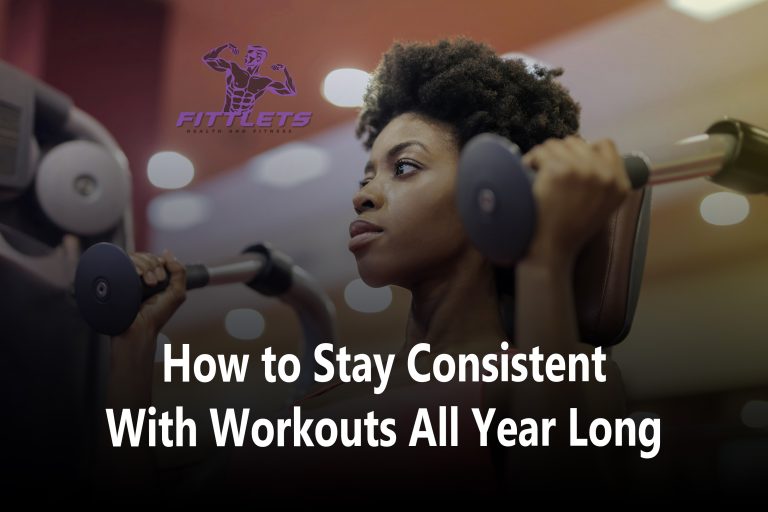

Weight Loss Workout Plans That Deliver Results
Losing weight is one of the most common fitness goals in the United States, yet many people struggle to find workout plans that truly make a difference. With so many trends, challenges, and “quick fix” programs online, it’s easy to waste time on routines that promise dramatic results but fail to deliver lasting change.
The truth is, effective weight loss workout plans are not about extreme exercise or spending hours in the gym every day. They are built on smart programming, consistency, and a balance of strength training, cardio, and recovery. When done correctly, exercise not only helps burn calories but also improves metabolism, preserves muscle, and supports mental well-being.
If you want a workout plan that produces real, sustainable results, understanding how different types of training work together is the key.
Why Exercise Matters for Weight Loss
Weight loss happens when you burn more calories than you consume, but exercise does more than just increase calorie burn. It helps maintain lean muscle mass while you lose fat, which keeps your metabolism more efficient. This means your body burns more calories even at rest.
Exercise also improves heart health, boosts energy, reduces stress, and enhances sleep quality. These benefits make it easier to stay consistent with healthy habits, which is essential for long-term weight management.
Most importantly, a well-designed workout plan reshapes your body, not just the number on the scale.
The Foundation: Strength Training
One of the biggest mistakes people make when trying to lose weight is focusing only on cardio. While cardio burns calories, strength training is what gives your body a toned, firm appearance.
Resistance training builds and preserves muscle. Muscle tissue requires more energy than fat, which helps support a higher resting metabolic rate. This makes strength training a powerful tool for sustainable fat loss.
A good weight loss workout plan includes strength sessions at least three times per week. These workouts should target all major muscle groups, including the legs, back, chest, shoulders, and core.
Compound exercises such as squats, lunges, push-ups, rows, and presses are especially effective because they work multiple muscles at once and burn more calories during the workout.
Cardio That Supports Fat Loss
Cardiovascular exercise plays an important role in increasing overall calorie expenditure and improving heart and lung health. However, not all cardio needs to be long and exhausting.
Moderate-intensity cardio, such as brisk walking, cycling, or swimming, is effective and easier to sustain long term. High-intensity interval training, often called HIIT, is another powerful option. HIIT involves short bursts of intense effort followed by brief recovery periods, allowing you to burn a high number of calories in less time.
The best weight loss workout plans include a mix of steady cardio and higher-intensity sessions depending on fitness level and schedule.
The Power of Consistency Over Intensity
Many people start extreme workout programs with high motivation, only to burn out after a few weeks. Plans that are too intense or time-consuming are hard to maintain.
Programs that deliver results focus on consistency. Exercising four to five days per week with manageable workouts is more effective than pushing too hard for a short period and quitting.
Shorter, focused sessions done regularly produce better long-term outcomes than occasional marathon workouts.
A Balanced Weekly Workout Structure
A successful weight loss workout plan spreads different types of training throughout the week. This helps prevent overtraining, reduces injury risk, and allows muscles to recover and grow stronger.
A typical structure might include strength training on several days, moderate cardio on others, and at least one active recovery day. This variety keeps workouts interesting and supports full-body development.
Recovery days are not wasted days. Light movement such as walking, stretching, or yoga improves circulation and reduces soreness, helping you stay consistent.
Full-Body vs. Split Workouts
For beginners and those with limited time, full-body workouts are highly effective. These sessions work multiple muscle groups in one workout, making them efficient for burning calories and building strength.
More experienced individuals may use split routines that focus on different muscle groups on different days. This allows for higher training volume per muscle group while still supporting recovery.
Both approaches can work well for weight loss when paired with proper nutrition and consistency.
Progressive Overload: The Key to Continued Results
One reason many people stop seeing progress is that they repeat the same workouts without increasing the challenge. The body adapts quickly, so gradual progression is necessary.
This can mean lifting slightly heavier weights, doing more repetitions, increasing workout intensity, or reducing rest times. Small increases over time keep your metabolism engaged and your muscles growing stronger.
Progressive overload ensures your workout plan continues delivering results instead of leading to a plateau.
The Role of Daily Movement
Structured workouts are important, but daily movement also plays a big role in weight loss. Activities like walking more, taking the stairs, or staying active during the day increase overall calorie burn.
This type of movement is often easier to maintain than intense exercise and adds up significantly over time.
Recovery Supports Fat Loss
Rest and recovery are often overlooked but essential parts of a successful workout plan. When you exercise, your muscles need time to repair and grow stronger.
Lack of sleep and constant high stress can interfere with recovery and make weight loss harder. Quality sleep helps regulate hunger hormones and supports better workout performance.
Including rest days and managing stress allows your body to respond better to exercise and nutrition efforts.
How to Stay Motivated
Sticking to a weight loss workout plan requires more than physical effort. Motivation can fluctuate, so having a routine and clear goals helps maintain consistency.
Tracking workouts, celebrating small wins, and noticing improvements in strength or energy levels can keep you engaged even before major visual changes appear.
Enjoyment also matters. Choosing workouts you like increases the chances you’ll stay committed long term.
Common Mistakes to Avoid
One common mistake is doing too much cardio and ignoring strength training. This can lead to muscle loss and a slower metabolism.
Another mistake is increasing workout intensity too quickly. This often results in fatigue or injury, which can derail progress.
Inconsistent scheduling is also a challenge. Skipping workouts frequently makes it harder to build momentum.
Effective plans focus on balance, progression, and sustainability.
When to Adjust Your Plan
As your fitness level improves, your workout plan should evolve. What felt challenging at the beginning may become easier after several weeks.
Increasing resistance, trying new exercises, or changing workout formats can keep your body adapting and progressing.
Listening to your body is important. Persistent fatigue or pain may signal a need for more recovery or a slight reduction in intensity.
The Mental Benefits of Exercise for Weight Loss
Exercise doesn’t just change your body — it improves your mindset. Regular physical activity reduces stress, boosts mood, and increases confidence.
These mental benefits make it easier to stick to healthy eating habits and maintain a positive outlook during your weight loss journey.
Feeling stronger and more energetic often becomes just as motivating as seeing physical changes.
Long-Term Success Comes From Habits
Workout plans that deliver results are not temporary challenges. They become part of a lifestyle that supports ongoing health.
When exercise becomes a regular habit rather than a short-term effort, weight management feels more natural and less stressful.
The goal is not just to lose weight but to build a stronger, healthier body that you can maintain for years.
Final Thoughts
The most effective weight loss workout plans combine strength training, cardio, recovery, and consistency. They avoid extremes and focus on steady progress that supports long-term success.
You don’t need complicated routines or endless hours at the gym. Smart programming, gradual progression, and a commitment to regular movement can transform your body and improve your overall health.
When your workout plan fits your lifestyle and feels sustainable, results follow — not just on the scale, but in your energy, confidence, and quality of life.