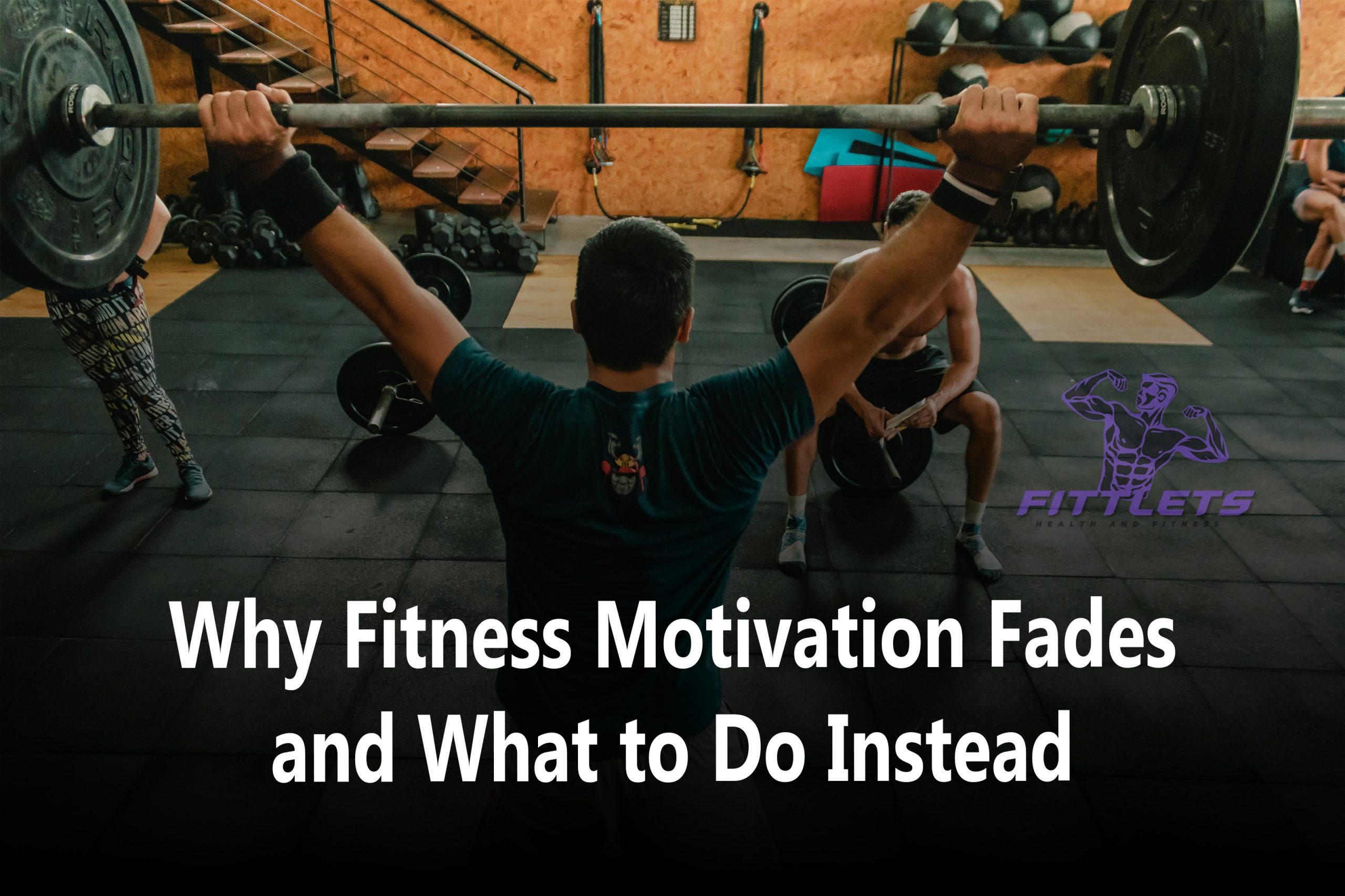
Why Fitness Motivation Fades and What to Do Instead
Almost everyone starts a fitness journey feeling motivated. New goals feel exciting, energy is high, and progress seems inevitable. But weeks or months later, that motivation often fades. Work gets busy, routines break, results slow down, and workouts start to feel optional instead of essential.
This loss of motivation doesn’t mean you lack discipline or willpower. It means you’re relying on motivation to do a job it was never meant to handle. Understanding why motivation fades—and what works better instead—can completely change how you approach fitness.
Motivation Is Emotional, Not Reliable
Motivation is driven by emotion. It’s strongest when goals are new, progress is fast, or inspiration is high. But emotions naturally fluctuate. Stress, fatigue, boredom, and life responsibilities all compete with motivation.
Because motivation depends on how you feel, it’s unreliable as a long-term strategy. Waiting to “feel motivated” before exercising almost guarantees inconsistency.
Fitness success requires systems, not emotions.
Early Results Create a False Expectation
In the beginning, many people see fast progress. Weight drops quickly, strength increases rapidly, and workouts feel rewarding. This early phase creates the expectation that progress should always feel exciting and visible.
When results slow down—which they always do—motivation drops. People assume something is wrong, when in reality, they’ve simply entered the normal phase of long-term fitness.
Sustainable progress is quieter and slower than the beginning.
Goals Alone Aren’t Enough
Setting goals is important, but goals don’t create daily action. Many people focus heavily on outcomes like weight loss, muscle gain, or appearance, without building habits that support those goals.
When the goal feels far away or progress stalls, motivation disappears. Habits, on the other hand, operate independently of how close you are to the finish line.
Goals give direction. Habits create consistency.
Life Stress Drains Motivation
Busy schedules, lack of sleep, work pressure, and emotional stress all reduce mental energy. When life feels overwhelming, workouts are often the first thing to go.
This doesn’t mean fitness isn’t important—it means your routine isn’t designed to survive stress. A plan that only works when life is calm will fail when life gets busy.
Fitness must adapt to stress, not compete with it.
Motivation Fades When Workouts Feel Like Punishment
Many people follow routines they don’t enjoy because they believe results require suffering. Over time, workouts become associated with dread instead of reward.
When exercise feels like punishment, motivation naturally fades. Enjoyment isn’t a luxury—it’s a requirement for long-term consistency.
Fitness should support your life, not make it harder.
What to Do Instead of Relying on Motivation
Instead of chasing motivation, build structure and habits that function even when motivation is low.
Consistency comes from routines that are simple, flexible, and repeatable. When workouts are planned, scheduled, and tied to daily life, they happen with far less mental effort.
You don’t need motivation to brush your teeth—you rely on habit. Fitness works the same way.
Focus on Identity, Not Inspiration
Long-term consistency improves when fitness becomes part of how you see yourself. When you identify as someone who moves regularly, workouts become normal rather than negotiable.
Identity-based habits shift the question from “Do I feel motivated today?” to “What does someone like me do?”
This mindset creates internal consistency instead of emotional dependence.
Lower the Bar During Low-Motivation Days
One of the biggest mistakes people make is quitting when they can’t give 100 percent. In reality, low-effort workouts are what protect long-term consistency.
A short walk, a quick home workout, or light movement keeps the habit alive. These small actions maintain momentum until energy returns.
Doing something beats doing nothing every time.
Build Systems That Make Exercise Easier
Systems reduce friction. Laying out workout clothes, training at the same time each day, choosing convenient workouts, and removing unnecessary complexity all make consistency easier.
When exercise requires fewer decisions, it happens more often—even without motivation.
Measure Success Beyond Results
Relying only on visible results makes motivation fragile. Progress also shows up as increased energy, better mood, improved focus, reduced stress, and stronger habits.
Recognizing these benefits keeps fitness meaningful even when physical changes feel slow.
Motivation Comes After Action
One of the most overlooked truths is that motivation often follows action—not the other way around.
Starting a workout creates momentum. Movement improves mood, boosts energy, and rebuilds motivation naturally. Waiting to feel motivated before acting keeps you stuck.
Action creates motivation far more reliably than inspiration ever will.
Final Thoughts
Fitness motivation fades because motivation was never meant to carry you long term. Emotions change, life gets busy, and excitement naturally wears off.
What works instead is habit, structure, identity, and flexibility. When fitness becomes something you do—not something you feel like doing—it survives stress, boredom, and busy seasons.
The goal isn’t to stay motivated forever. The goal is to build a routine that works even when motivation disappears.