Why Group Fitness Classes are the Best Way to Stay Motivated
Staying motivated to exercise consistently is one of the biggest challenges people face on their fitness journey. Many Americans start strong with a new workout plan, only to lose momentum after a few weeks. Busy schedules, low energy, and lack of accountability often make solo workouts easy to skip. That’s where group fitness classes make a powerful difference.
Group fitness combines structured exercise with social connection, professional guidance, and a motivating atmosphere that keeps people coming back. Whether it’s indoor cycling, boot camp, yoga, dance, or strength-based classes, working out with others creates a sense of energy and accountability that is hard to replicate alone.
Fitness experts frequently recommend group classes because they make exercise more enjoyable, more consistent, and ultimately more effective.
Built-In Accountability
One of the biggest advantages of group fitness classes is accountability. When you sign up for a class or become a regular attendee, you feel a sense of commitment. Instructors expect you to show up, and classmates notice when you’re missing.
This subtle social pressure works in a positive way. It encourages you to attend even on days when motivation is low. Over time, this consistency leads to better fitness results and stronger habits.
Unlike solo workouts, where skipping a session often feels inconsequential, missing a group class feels more noticeable, which can be just the push many people need.
Motivation From Shared Energy
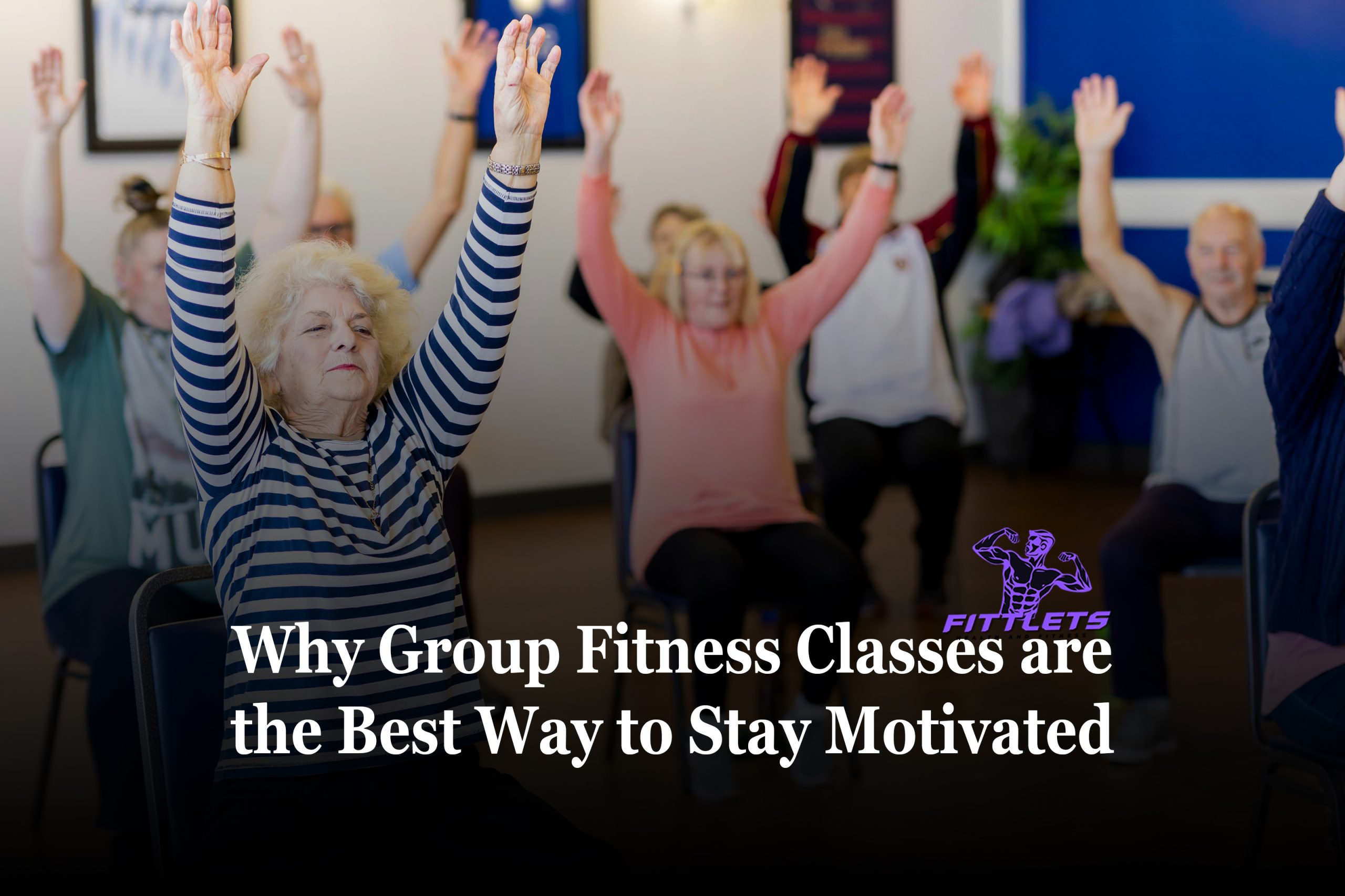
There’s something powerful about exercising in a room full of people working toward similar goals. The shared energy in a group fitness class can boost performance and make workouts feel more exciting.
Music, instructor encouragement, and the presence of others pushing through the same challenges create an atmosphere that inspires effort. Many people find they work harder in a group setting than they would on their own.
This extra effort often leads to improved endurance, strength, and calorie burn, all while making the workout feel less like a chore.
Structured Workouts Remove Guesswork
Walking into a gym alone can be overwhelming. Deciding what exercises to do, how long to work out, and how hard to push yourself requires knowledge and planning. Group fitness classes eliminate that stress.
Instructors design and lead the workout, ensuring a balanced and effective session. Participants can focus on effort and technique rather than planning. This structure makes workouts more efficient and helps prevent the common problem of wandering from machine to machine without a clear plan.
For beginners, this guidance is especially valuable, but even experienced exercisers benefit from professionally designed routines.
Professional Guidance Improves Safety and Results
Group fitness instructors are trained to demonstrate exercises, offer modifications, and provide form cues. This helps participants perform movements safely and effectively.
Good technique reduces the risk of injury and ensures that the intended muscles are being targeted. Instructors also help adjust intensity levels, making workouts accessible for different fitness levels within the same class.
This combination of safety and effectiveness helps participants see better results over time.
A Social Experience That Builds Community
Humans are naturally social, and group fitness classes tap into that need for connection. Regular participants often get to know one another, creating friendships and a sense of belonging.
This community aspect can be a powerful motivator. When you enjoy the people you work out with, exercise feels less like an obligation and more like a social activity you look forward to.
For many Americans, especially those who work remotely or spend long hours at a desk, group classes provide valuable social interaction alongside physical activity.
Variety Keeps Workouts Interesting
Boredom is a major reason people quit exercise routines. Doing the same workout alone week after week can feel repetitive and uninspiring.
Group fitness studios and gyms often offer a wide range of classes, from high-energy cardio sessions to strength training, yoga, and mobility work. This variety keeps workouts fresh and challenges the body in different ways.
Trying new classes also helps prevent fitness plateaus by exposing the body to different movements and intensities.
Encouragement From Instructors
A skilled instructor does more than lead exercises. They motivate, inspire, and create a positive environment. Encouraging words at the right moment can help participants push through challenging parts of a workout.
Instructors often learn participants’ names and goals, which adds a personal touch. Feeling seen and supported increases confidence and commitment.
This kind of encouragement can be especially helpful for those who struggle with self-motivation when exercising alone.
A Confidence Boost for Beginners
Starting a fitness routine can feel intimidating, especially for beginners who are unsure about equipment or technique. Group classes provide a welcoming, structured environment that makes it easier to get started.
Knowing that others are also learning and improving can reduce feelings of self-consciousness. Over time, as participants build strength and stamina, their confidence grows both inside and outside the gym.
This boost in self-belief often spills into other areas of life, creating a positive cycle of growth.
Time Efficiency
Many group fitness classes are designed to deliver maximum results in a set timeframe, often between 45 and 60 minutes. These workouts are typically well-paced and carefully structured to include warm-ups, challenging work periods, and cool-downs.
Because the planning is already done, participants can get an effective workout without spending extra time figuring out what to do. This efficiency is ideal for busy schedules.
Healthy Competition Drives Progress
A little friendly competition can be motivating. Seeing others push themselves can inspire you to challenge yourself a bit more. This doesn’t mean comparing bodies or abilities in a negative way, but rather drawing energy from the group’s effort.
This collective drive often helps people break through mental barriers and achieve more than they would alone.
Mental Health Benefits
Exercise is well known for reducing stress and improving mood, but group fitness adds an extra mental health benefit through social interaction. Laughing, sharing experiences, and feeling part of a group can reduce feelings of isolation.
The combination of physical activity and social connection can significantly boost overall well-being and emotional resilience.
Building a Consistent Habit
Consistency is the foundation of fitness success, and group classes make it easier to build a routine. Scheduled class times create structure in the week, turning exercise into a regular appointment rather than an optional activity.
Over time, this routine becomes a habit, requiring less mental effort to maintain.
Long-Term Motivation
Many people find that group fitness keeps them engaged for years, not just weeks. The mix of community, variety, and professional guidance prevents workouts from becoming stale.
As fitness levels improve, participants can try more advanced classes or increase intensity, keeping the experience challenging and rewarding.
Final Thoughts
Group fitness classes are one of the most effective ways to stay motivated because they combine accountability, structure, social connection, and professional guidance. This powerful mix helps people show up consistently, work harder, and enjoy the process.
For anyone struggling to stay motivated alone, joining a group class could be the turning point that transforms exercise from a short-term effort into a lasting, healthy lifestyle.
When fitness feels fun, social, and supportive, staying committed becomes much easier — and the results naturally follow.