Yoga for Fitness: How It Improves Flexibility, Strength, and Mental Health
When many people in the United States think of yoga, they imagine gentle stretching or relaxation. While yoga is excellent for stress relief, it is also a powerful form of exercise that improves flexibility, builds strength, and supports mental health. Over the past decade, yoga has become one of the most popular fitness practices because it offers both physical and emotional benefits in one session.
Unlike traditional workouts that focus only on muscles or cardio, yoga connects movement with breathing and mindfulness. This combination creates a full-body experience that enhances fitness while calming the mind. Whether you are a beginner or an experienced athlete, yoga can complement your routine and improve your overall well-being.
Understanding how yoga works can help you see why it deserves a place in your fitness lifestyle.
Improving Flexibility Through Consistent Practice
Flexibility is one of the most well-known benefits of yoga. Many poses gently stretch muscles, tendons, and ligaments throughout the body. Over time, this improves range of motion and reduces stiffness.
Tight muscles can limit movement and increase the risk of injury during daily activities or other workouts. Yoga helps lengthen these muscles gradually and safely. Hamstrings, hips, shoulders, and the lower back are common areas of tightness that benefit greatly from yoga practice.
Unlike quick stretches done before a workout, yoga holds poses for longer periods, allowing the body to relax into deeper stretches. This steady progress leads to lasting improvements in mobility.
Better flexibility also supports good posture, making it easier to sit and stand with proper alignment.
Building Strength Without Heavy Weights
Yoga may look calm and slow, but it can be surprisingly challenging. Many poses require you to support your own body weight in different positions, which builds strength throughout the body.
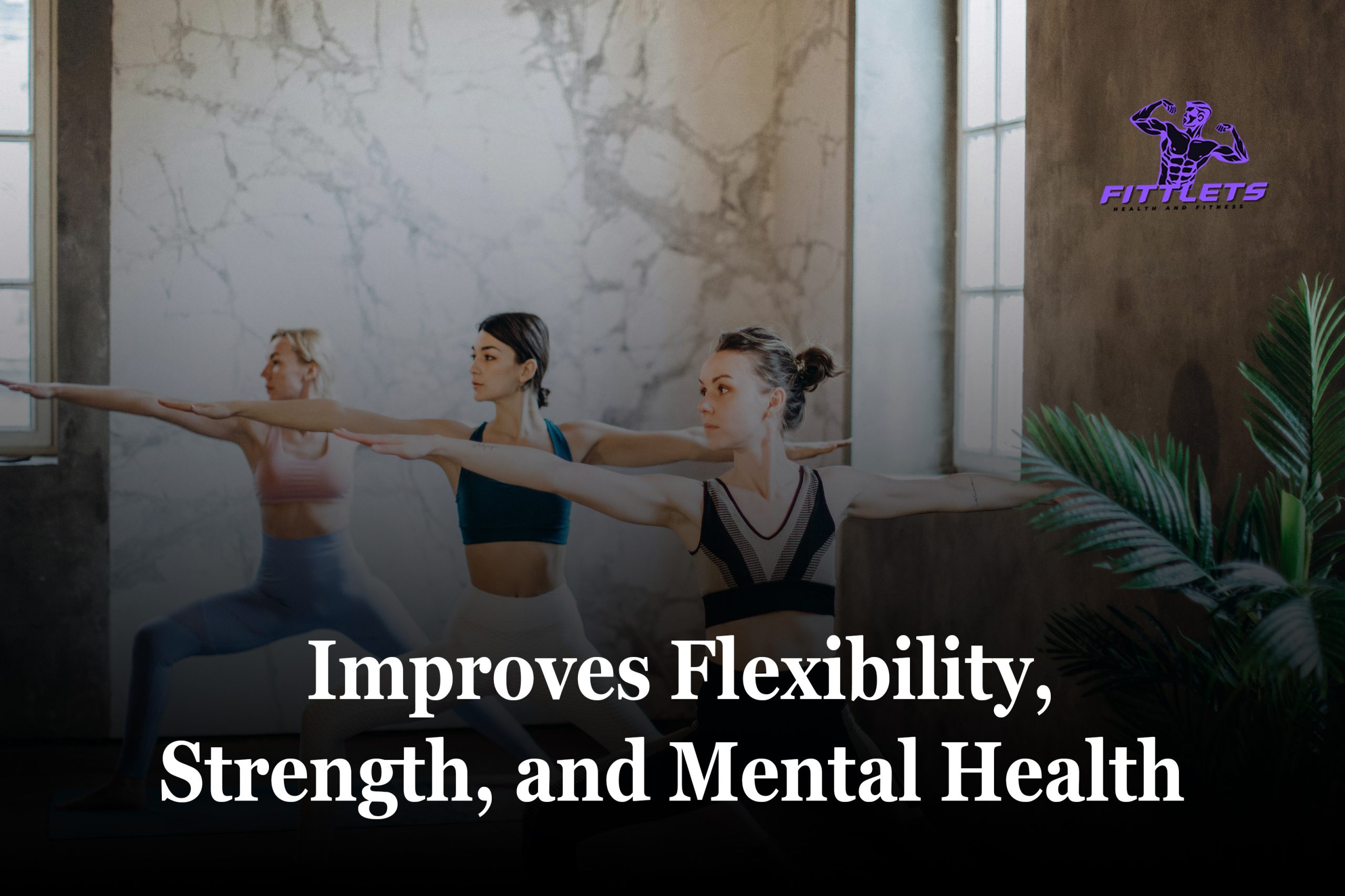
Poses like plank, chair pose, and warrior variations engage major muscle groups including the legs, core, and arms. Holding these poses develops muscular endurance and stability. Over time, yoga strengthens muscles that may be overlooked in traditional gym workouts, especially smaller stabilizing muscles.
This balanced strength improves joint support and helps prevent injuries. It also enhances performance in other activities such as running, cycling, or weight training.
Yoga builds lean, functional strength rather than bulk, which contributes to a toned and balanced physique.
Enhancing Core Stability
A strong core is essential for overall fitness, posture, and injury prevention. Yoga places significant emphasis on core engagement, even in poses that do not appear to target the abdominal muscles directly.
Balancing poses, standing postures, and transitions between movements all require core stability. This constant activation strengthens deep abdominal muscles that support the spine.
Improved core strength reduces back pain, enhances athletic performance, and makes everyday movements easier.
Supporting Joint Health and Mobility
Yoga encourages movement through a wide range of motion, which helps keep joints healthy. Gentle, controlled movements increase circulation to the joints and surrounding tissues.
This improved circulation supports cartilage health and reduces stiffness. For people who spend long hours sitting at a desk, yoga can counteract tight hips and shoulders caused by prolonged sitting.
Maintaining joint mobility is especially important as we age, helping preserve independence and ease of movement.
Reducing Stress and Supporting Mental Health
One of yoga’s most powerful benefits is its positive impact on mental health. Yoga combines movement with controlled breathing, which helps activate the body’s relaxation response.
Deep, steady breathing lowers stress hormones and promotes a sense of calm. This can reduce symptoms of anxiety and improve overall mood. Many people find that yoga provides a mental break from daily pressures, allowing them to focus on the present moment.
Regular practice can also improve sleep quality, which plays a key role in emotional well-being and physical recovery.
Improving Mind-Body Connection
Yoga encourages awareness of how the body feels during movement. This mindfulness helps people tune in to their physical and emotional state.
A stronger mind-body connection can lead to better posture, improved movement patterns, and healthier lifestyle choices. When people are more aware of their bodies, they are more likely to recognize signs of stress, fatigue, or tension and respond with self-care.
This awareness extends beyond the mat, supporting healthier habits in everyday life.
Boosting Balance and Coordination
Many yoga poses challenge balance, requiring focus and control. Standing on one leg or transitioning between poses strengthens stabilizing muscles and improves coordination.
Better balance reduces the risk of falls and supports overall physical confidence. This is especially valuable for older adults, but people of all ages benefit from improved stability.
Supporting Heart Health
While yoga is not always as intense as traditional cardio, certain styles provide a gentle cardiovascular workout. Flow-based classes that link movements with breath can raise the heart rate while still promoting relaxation.
Even slower styles of yoga support heart health indirectly by reducing stress, which is a major risk factor for heart disease. Lower stress levels help maintain healthy blood pressure and improve overall cardiovascular function.
A Low-Impact Option for All Fitness Levels
Yoga is accessible to people of all ages and fitness levels. Because it is low impact, it places less stress on joints than high-intensity workouts.
Poses can be modified to match individual ability, making yoga suitable for beginners as well as advanced practitioners. This adaptability makes it a sustainable long-term fitness option.
Enhancing Recovery From Other Workouts
Athletes and gym-goers often use yoga to support recovery. Stretching tight muscles, improving circulation, and calming the nervous system help the body repair after intense training.
Yoga can reduce soreness, improve mobility, and prepare the body for the next workout. It complements strength training and cardio by addressing areas those workouts may not fully target.
Encouraging Consistency Through Enjoyment
One reason yoga has become so popular is that many people genuinely enjoy it. The combination of movement, breathing, and relaxation creates a satisfying experience that supports both physical and mental well-being.
Enjoyable workouts are easier to maintain consistently. Consistency, in turn, leads to lasting fitness improvements.
Creating a Balanced Fitness Routine
Yoga can stand alone as a complete workout or be combined with other forms of exercise. Adding yoga to a routine that includes strength training and cardio creates a well-rounded fitness program.
This balance supports flexibility, strength, endurance, and mental clarity all at once.
Long-Term Benefits for Overall Wellness
The benefits of yoga extend far beyond the mat. Improved flexibility, strength, posture, and stress management contribute to better daily functioning and long-term health.
People who practice yoga regularly often report feeling more energetic, focused, and emotionally balanced. These improvements enhance quality of life and support healthy aging.
Final Thoughts
Yoga is much more than stretching. It is a powerful fitness practice that improves flexibility, builds strength, and supports mental health through mindful movement and breathing.
By combining physical exercise with relaxation and awareness, yoga offers a balanced approach to wellness. Whether you are looking to complement other workouts or start a new fitness habit, yoga provides benefits that extend to every part of your life.
Adding yoga to your routine can help you move better, feel calmer, and build a stronger, more resilient body and mind.