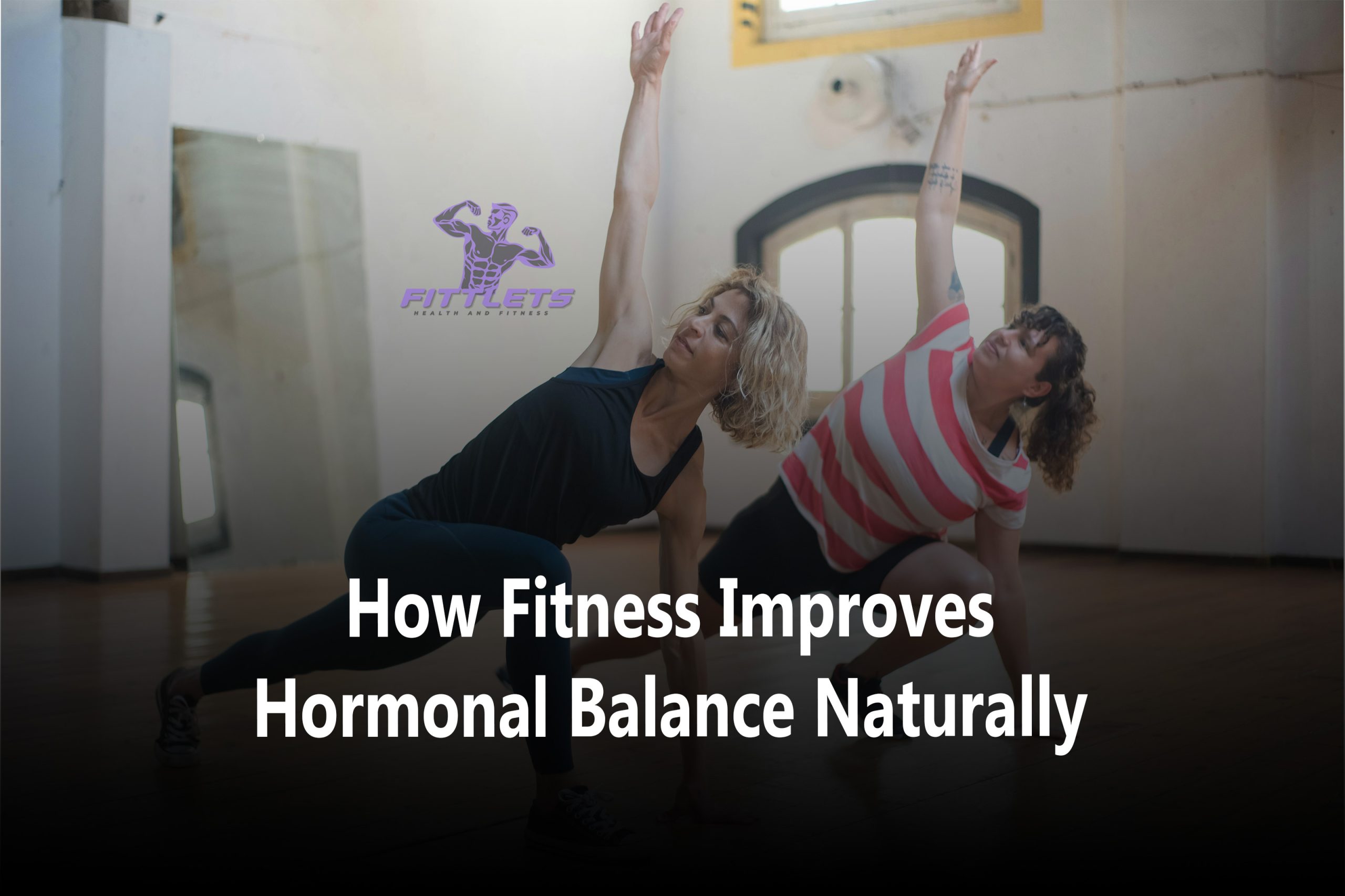
How Fitness Improves Hormonal Balance Naturally
Hormones control nearly every function in your body.
They influence energy levels, fat storage, muscle growth, mood, sleep, metabolism, stress response, appetite, and even motivation. When hormones are balanced, you feel strong, focused, and energized. When they’re disrupted, everything feels harder—fat loss stalls, workouts feel draining, sleep suffers, and mood swings increase.
The powerful part?
Exercise is one of the most effective natural tools for improving hormonal balance.
Not extreme workouts. Not overtraining. But smart, consistent fitness habits.
Let’s explore how fitness improves hormonal balance naturally—and how to use exercise strategically for long-term health.
Understanding Hormonal Balance
Hormonal balance doesn’t mean having “high” hormone levels. It means having optimal levels working together in proper ratios.
Key hormones influenced by exercise include:
Insulin
Cortisol
Testosterone
Estrogen
Growth hormone
Thyroid hormones
Dopamine and serotonin
When these hormones function properly, the body regulates metabolism, recovery, mood, and energy efficiently.
Exercise acts as a regulator—not just a calorie burner.
Fitness Improves Insulin Sensitivity
Insulin is responsible for regulating blood sugar levels.
When insulin sensitivity is low, the body struggles to move glucose into cells efficiently. This can lead to:
Increased fat storage
Energy crashes
Sugar cravings
Higher risk of metabolic disorders
Strength training and cardiovascular exercise improve insulin sensitivity by increasing muscle glucose uptake.
Muscle acts like a sponge for blood sugar. The more active your muscles, the better your blood sugar regulation becomes.
Improved insulin sensitivity supports fat loss, stable energy, and metabolic health.
Exercise Regulates Cortisol (Stress Hormone)
Cortisol often gets labeled as “bad,” but it’s essential for survival.
It helps regulate inflammation, blood pressure, and energy availability. The problem arises when cortisol remains chronically elevated due to stress, lack of sleep, or overtraining.
Moderate exercise helps regulate cortisol levels by:
Reducing baseline stress
Improving sleep quality
Enhancing emotional resilience
However, excessive training without recovery can increase cortisol chronically.
Balance is key. Exercise should reduce stress—not add to it.
Strength Training and Testosterone
Testosterone plays a crucial role in:
Muscle growth
Fat metabolism
Bone density
Libido
Energy levels
Both men and women produce testosterone, though in different amounts.
Resistance training, particularly compound movements, stimulates natural testosterone production.
Heavy lifting and high-intensity strength sessions create short-term hormonal spikes that support muscle repair and adaptation.
Long-term strength training also helps maintain healthy testosterone levels as we age.
Exercise Supports Healthy Estrogen Balance
Estrogen is essential for reproductive health, bone density, cardiovascular function, and mood regulation.
Regular exercise helps maintain healthy estrogen levels by:
Reducing excess body fat (which influences estrogen storage)
Improving liver function
Supporting metabolic efficiency
For women, balanced exercise supports hormonal health across menstrual cycles and life stages.
Overtraining or extreme dieting, however, can disrupt estrogen levels—highlighting again the importance of moderation.
Growth Hormone and Muscle Repair
Growth hormone supports:
Muscle repair
Fat metabolism
Tissue regeneration
Cellular recovery
High-intensity strength training and interval workouts stimulate natural growth hormone release.
Sleep amplifies this effect. Exercise plus quality sleep creates a powerful hormonal combination for repair and regeneration.
This is why recovery is just as important as training intensity.
Thyroid Health and Metabolism
Thyroid hormones regulate metabolic rate.
Regular exercise supports thyroid function by:
Improving insulin sensitivity
Reducing chronic inflammation
Supporting healthy body composition
However, severe calorie restriction combined with excessive cardio may slow thyroid function over time.
Smart programming protects metabolic health.
Dopamine, Serotonin, and Mood
Fitness doesn’t just affect physical hormones—it influences brain chemistry.
Exercise increases:
Dopamine (motivation and reward)
Serotonin (mood regulation)
Endorphins (natural pain relief)
This explains why workouts improve mood and reduce anxiety.
Consistent exercise builds emotional resilience through improved neurotransmitter balance.
Mental clarity and motivation often improve alongside physical strength.
How Body Fat Influences Hormones
Excess body fat affects hormone balance because fat tissue acts as an endocrine organ.
It produces and stores hormones, including estrogen.
When body fat levels are high, hormonal imbalances may occur. Conversely, extremely low body fat can also disrupt hormone production.
Regular fitness supports healthy body composition, which promotes balanced hormone regulation.
The goal isn’t extreme leanness—it’s metabolic stability.
The Role of Sleep in Hormonal Fitness
Exercise improves sleep quality. Sleep regulates hormones.
When you sleep:
Growth hormone peaks
Cortisol stabilizes
Appetite hormones balance
Testosterone production increases
Fitness and sleep work together to create hormonal harmony.
Training without prioritizing sleep reduces the hormonal benefits of exercise.
Overtraining and Hormonal Disruption
More exercise is not always better.
Excessive high-intensity training without recovery can lead to:
Chronic cortisol elevation
Testosterone suppression
Menstrual irregularities
Persistent fatigue
Increased injury risk
Signs of hormonal stress from overtraining include:
Poor sleep
Irritability
Plateaued progress
Reduced motivation
Strategic rest days and balanced intensity protect hormonal health.
The Best Types of Exercise for Hormonal Balance
Not all workouts affect hormones equally.
Strength Training
Supports testosterone, growth hormone, insulin sensitivity.
Moderate Cardio
Improves insulin regulation and cardiovascular health.
High-Intensity Interval Training (HIIT)
Stimulates growth hormone but should be limited to avoid cortisol overload.
Low-Intensity Movement (Walking, Yoga)
Reduces stress and supports nervous system balance.
The ideal program blends these methods rather than relying on extremes.
Hormonal Balance and Aging
As we age, hormone production naturally declines.
Testosterone decreases.
Growth hormone drops.
Metabolism slows.
Regular resistance training is one of the most effective tools for slowing age-related hormonal decline.
Fitness doesn’t stop aging—but it slows its metabolic impact.
Nutrition Still Matters
Exercise alone cannot fix poor nutrition.
For hormonal balance:
Eat adequate protein
Avoid severe calorie restriction
Include healthy fats
Stay hydrated
Limit excessive processed sugar
Training and nutrition work together.
You can’t out-train hormonal stress caused by chronic under-fueling.
Consistency Over Intensity
Hormonal balance responds best to consistent, moderate stress—not occasional extreme workouts.
Short bursts of intense training followed by long inactivity create hormonal instability.
Steady, sustainable exercise habits create predictable hormonal patterns.
Your body thrives on rhythm.
Signs Your Hormones Are Improving Through Fitness
As hormonal balance improves, you may notice:
Stable energy levels
Better sleep quality
Improved mood
Easier fat loss
Stronger workouts
Reduced cravings
Improved focus
These changes often appear gradually over weeks of consistent training.
The Long-Term Impact
When fitness becomes a regular habit, hormonal benefits compound over time.
Improved insulin sensitivity reduces disease risk.
Balanced cortisol improves resilience.
Stable testosterone and estrogen support body composition.
Growth hormone supports tissue repair.
Exercise becomes preventative medicine.
Final Thoughts
Hormonal balance isn’t achieved through supplements alone. It’s built through lifestyle habits—especially exercise.
Smart, consistent fitness:
Improves insulin sensitivity
Regulates cortisol
Supports testosterone and estrogen
Stimulates growth hormone
Enhances mood-regulating neurotransmitters
Protects metabolic health
The key is balance.
Train hard—but recover well.
Move consistently—but avoid extremes.
Fuel properly—and prioritize sleep.
Fitness doesn’t just shape your body.
It harmonizes your internal chemistry.